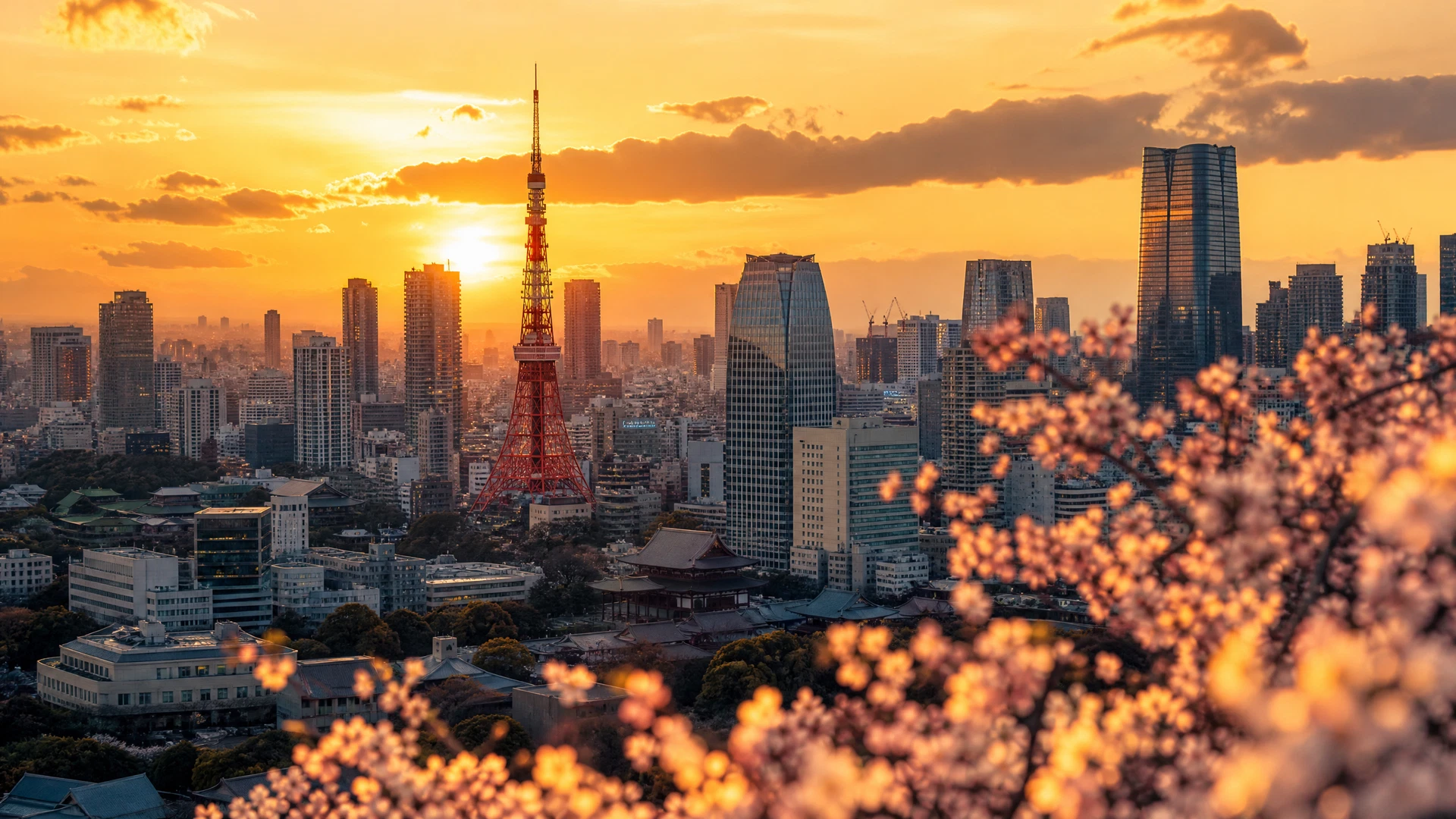
Tokyo can look overwhelming on a map. In person, it becomes wonderfully manageable once you stop trying to “do Tokyo” and begin to shape a rhythm that suits you. This guide is designed to help you make the few choices that matter first—where to stay, how to group your days, when to book ahead, and where a private driver can give you more time back.
The goal is not to fill every hour. It is to create enough structure that you can move through shrines, restaurants, streets, and neighbourhoods with confidence, while leaving space for the moments you never could have planned.
As you shape the practical foundations of a first visit, pair this overview with the three-, four-, and five-day Tokyo itinerary guide and the Haneda airport transfer guide so the stay length and arrival plans fit the same rhythm.
1. Start with the right expectations
A first Tokyo visit is rarely improved by fitting more districts into a single day. The city is large, detailed, and built around many distinct local centres. A better plan begins with one or two meaningful anchors per day: a museum you care about, an important meal, a historic site, a shopping area, or a sunset view.
For most visitors, three to five full days gives enough room for classic Tokyo and the quieter discoveries between the landmarks. If your stay is shorter, reduce the number of areas rather than rushing from one side of the city to the other. A calm day in two well-chosen neighbourhoods will feel richer than a day spent in transit.
2. Choose the right area to stay
Your hotel area shapes the mood of the trip. Look first at the evenings you want to have and the amount of movement you are comfortable with, then use rail access as a second consideration. A central address is helpful, but an area you enjoy returning to is often more valuable.
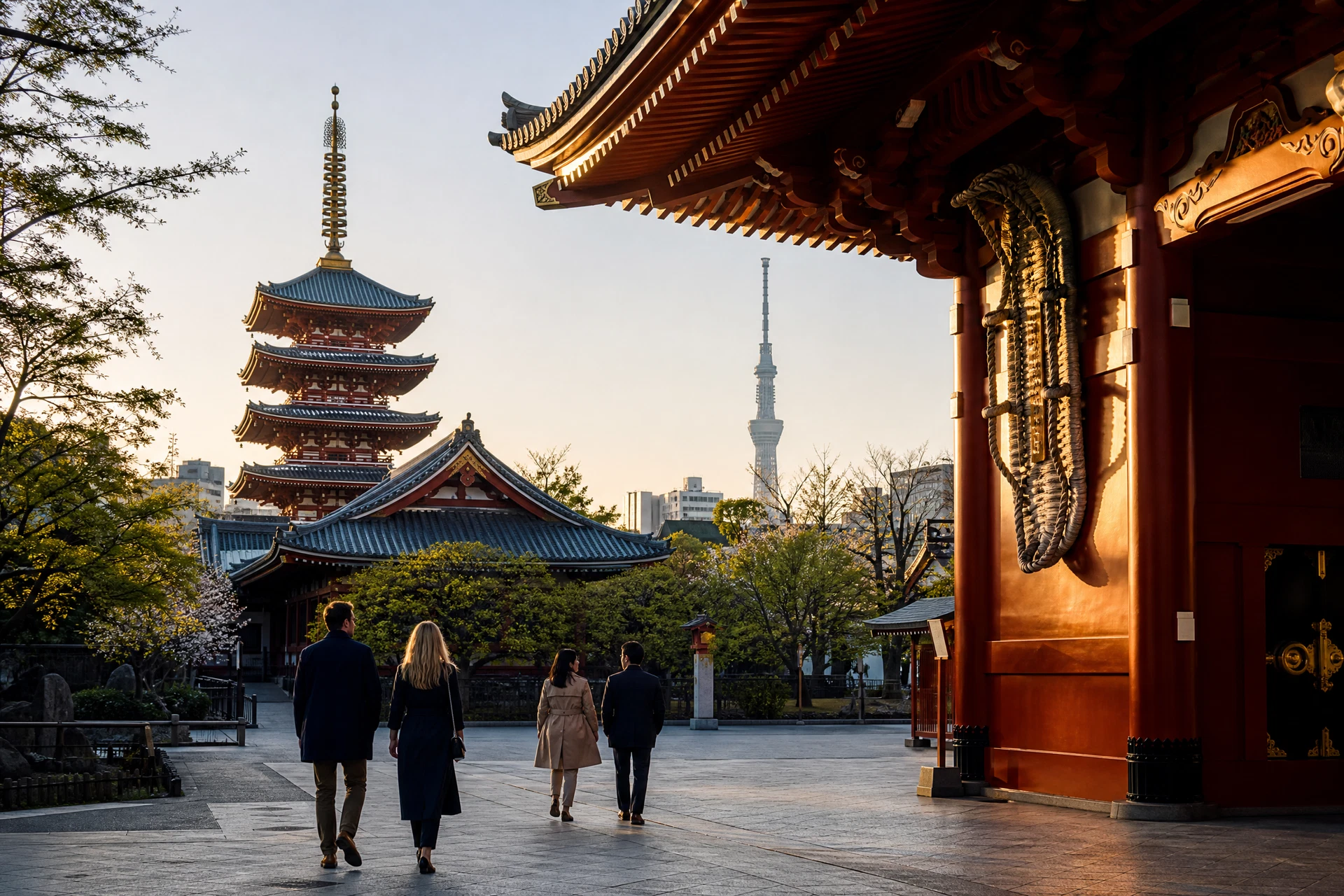
3. Plan by neighbourhood, not by landmarks
Tokyo days work best when they follow the city's geography. Pair places that belong together, then choose an arrival and departure point that feels straightforward. This approach reduces unnecessary transfers and gives you permission to linger when a street, shop, garden, or café catches your attention.
For a three-day first visit, the outline below is a useful starting point. Treat it as a rhythm rather than a fixed itinerary: shift the order to suit your hotel, reservations, weather, and energy.
4. Plan your airport arrival and first 24 hours
Arrival day is where many first itineraries become too ambitious. International travel, immigration, luggage collection, hotel check-in, and an unfamiliar rail system all take energy. Plan only one small local experience after you arrive: a neighbourhood dinner, a short walk, or a view close to your hotel.
If you are travelling with children, several suitcases, older family members, or a fixed evening reservation, arranging a private airport transfer can protect the first hours of the trip from unnecessary friction. You arrive at your hotel with your energy still available for Tokyo itself.

5. Choose the right way to get around
Public transport is an excellent way to move through Tokyo, especially when you are spending a day within a few connected districts. A rechargeable IC travel card makes everyday rail and bus travel more straightforward, while route planners help you understand line changes before you leave the hotel.
A private driver is a different tool rather than a replacement for every journey. It is particularly useful when a day includes several disconnected neighbourhoods, timed restaurant reservations, shopping bags, small children, or a desire to use your travel time more comfortably. The best itineraries often use both: rail for a free afternoon, private transport for a full sightseeing day or airport transfer.
For current visitor ticket information, fare searches, and route details, consult the Tokyo Metro visitor information.
6. Reserve the moments that matter most
Keep the majority of your schedule flexible, but protect the experiences you would truly regret missing. For some travellers that is a sushi counter; for others it is a kaiseki dinner, a particular exhibition, a tea experience, or an evening with a skyline view. Book the few things that carry emotional weight, then allow the rest of the trip to breathe.
When you request restaurant assistance, share your preferred cuisine, budget, dietary requirements, desired atmosphere, and ideal time. Those details are more useful than choosing only by a famous name. The right restaurant should fit the shape of your day as well as your taste.
7. Leave room for Tokyo to surprise you
The lasting memories of Tokyo are often unplanned: a perfect pastry on a side street, a department-store food hall before dinner, a quiet shrine gate at dusk, or a conversation with a shopkeeper. Build white space around your anchors, especially after lunch and before dinner, and you will have room to notice those moments.
This is also where your hotel location helps. Returning briefly to rest, change, or reset before the evening is not wasted time. It is what lets you enjoy a great dinner or night view with genuine energy.
8. Use a simple pre-departure checklist
The practical details are easy to handle when they are considered early. Use this short list as a final pass a week or two before departure, then confirm time-sensitive items again just before you fly.
9. When a private driver changes your day
Private transport is most valuable when it supports the way you want to travel, not when it simply fills the day with stops. It can make a family day more comfortable, create an efficient route across several districts, keep a special meal on schedule, or carry you from a quiet morning in Asakusa to an evening reservation in Ginza without spending the day managing luggage and transfers.
Tell us what matters to you—architecture, shopping, gardens, food, children's interests, photography, or simply a slower pace—and we can help shape a private Tokyo day around it.
10. Check official details before you fly
Entry requirements, weather, ticket conditions, and operating hours can change. Use the official Japan travel planning guide for current visitor basics, and the official GO TOKYO guide for attractions, seasonal events, and local information.
Travel at your own pace
Want a Tokyo itinerary shaped around you?
Tell us your dates, interests, hotel area, and dining wishes. We can help shape a private Tokyo day, an airport transfer, or a multi-day journey with a professional driver.
Request a private Tokyo plan