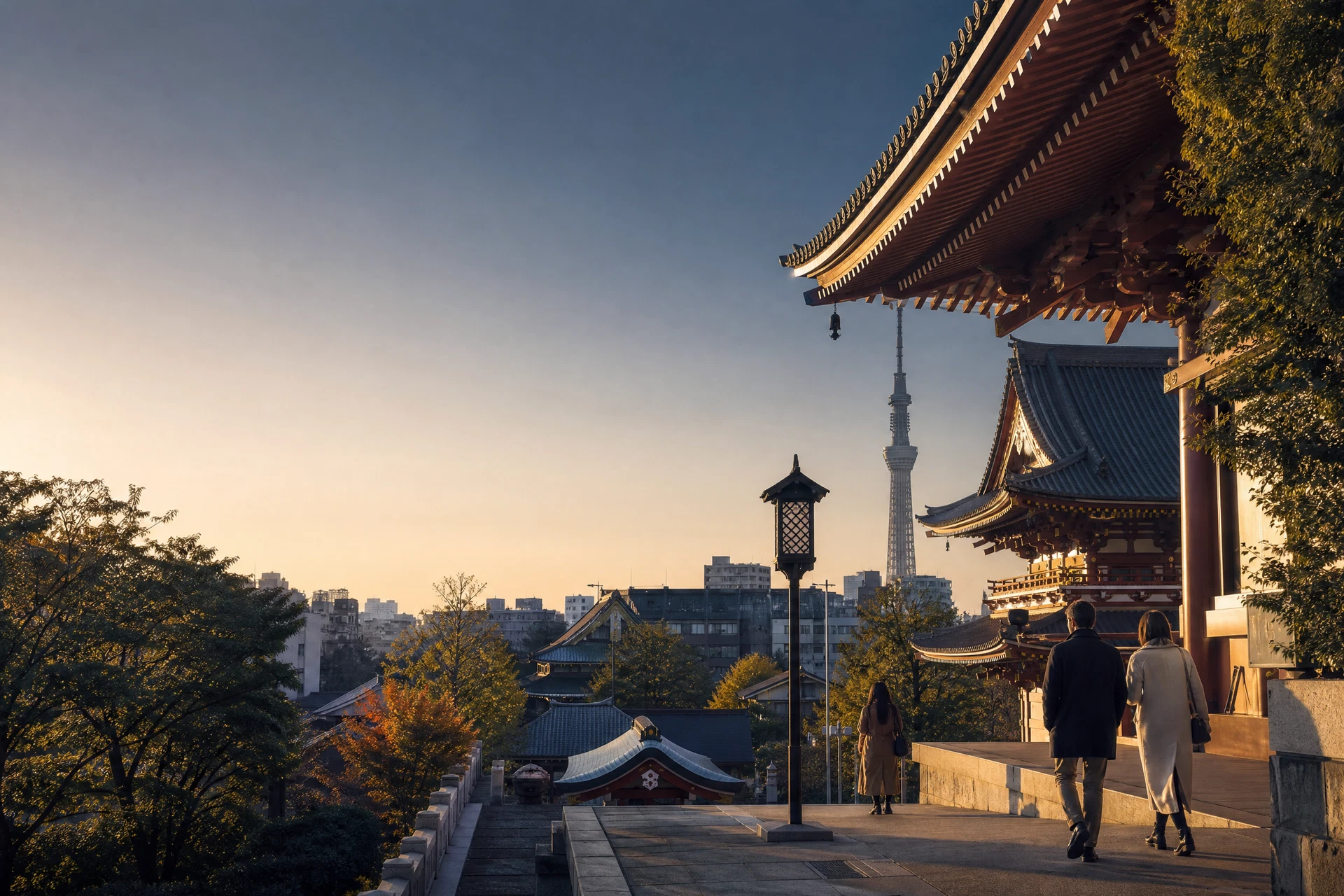
The right number of days in Tokyo is not a contest to see more. It is a choice about pace. Three days can create a vivid first introduction; four days gives the city room to become more personal; five days lets you add a slower district, a special interest, or time beyond the obvious.
Use this guide to choose the duration that suits your energy, hotel, travel party, and the kind of memories you want to make. The suggested days are deliberately flexible: Tokyo rewards good grouping and open time more than a long list of pins.
Once you have chosen the number of days, use the three-day Tokyo itinerary with a private driver and the Haneda airport transfer guide to turn that timeframe into a realistic arrival and sightseeing plan.
1. Start with the kind of Tokyo trip you want
Before choosing a number of days, decide what you want Tokyo to feel like. A first-time trip may need historic streets, contemporary districts, one or two major cultural stops, and a memorable meal. A return visit may be more about gardens, design, shopping, a favourite cuisine, or the time to follow an interest without looking at the clock.
The most useful question is not “Can I fit it in?” but “What will I have time to enjoy?” Tokyo's districts have their own moods and scales. Grouping nearby areas is more valuable than crossing the city repeatedly to collect landmarks.
2. What three days can do
Three full days is enough for a strong first Tokyo experience when each day has a clear geographical focus. It is not enough to see every side of the city, but it is enough to understand why Tokyo feels both deeply historic and constantly new.
Three days works especially well for travellers who are happy to keep one major experience and one good meal as the anchors of each day. It becomes less comfortable when arrival is late, every dinner is fixed, or the plan includes multiple distant districts on the same afternoon.
3. What a fourth day changes
A fourth day is where an itinerary often becomes more enjoyable rather than simply longer. It gives you room to return to a district at a better time of day, add a museum without compressing lunch, choose a restaurant because it fits the evening rather than because it is nearby, or spend an afternoon shopping without treating it as a delay.
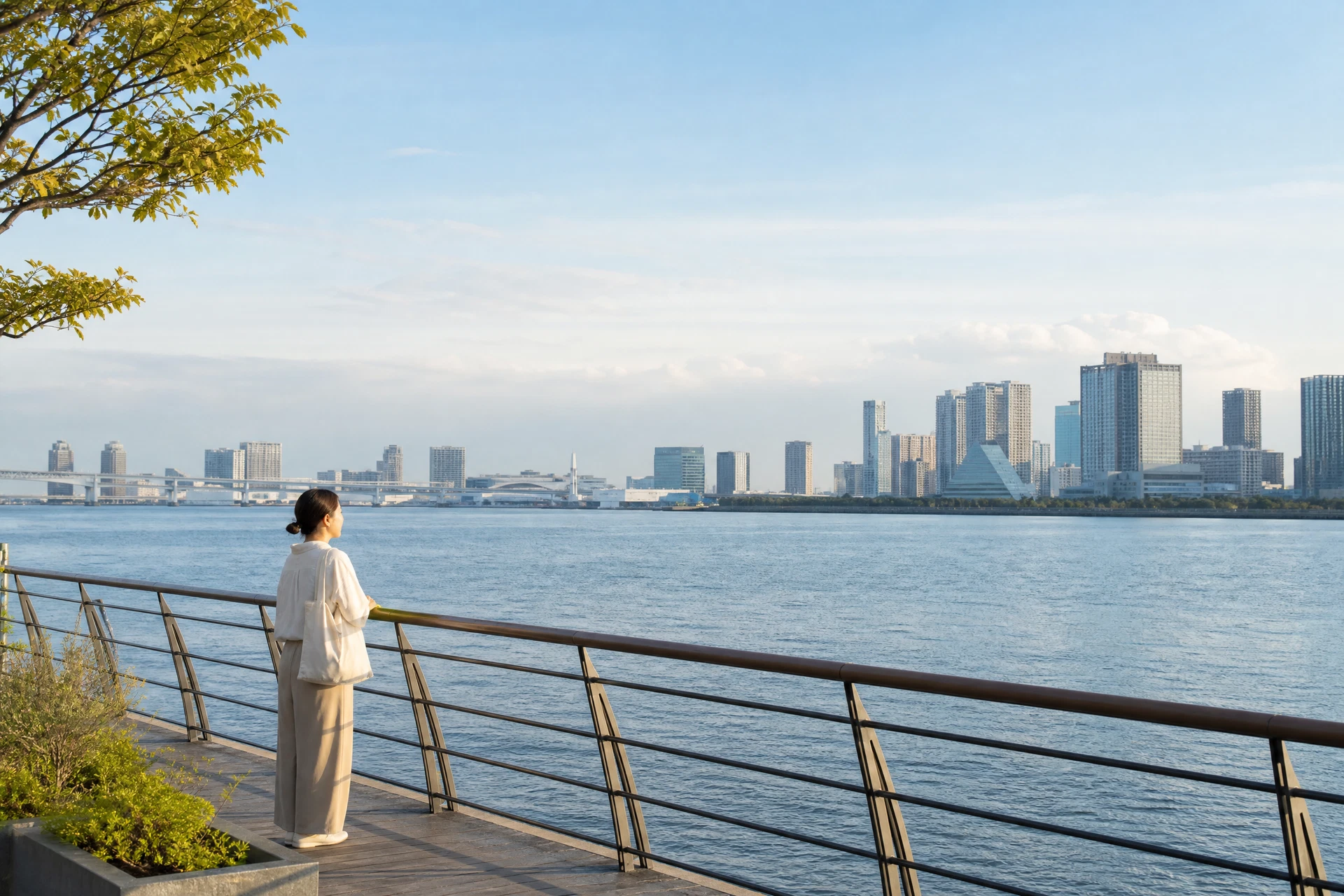
Use this day to deepen one interest. It might be art and architecture around Roppongi, a slower historic route through Yanaka or Ueno, a waterfront-and-design day around Toyosu and Odaiba, or a neighbourhood you discovered on the first three days and want to revisit.
4. What a fifth day makes possible
Five days creates the most useful form of flexibility: a day that does not need to carry the entire Tokyo checklist. You can use it for a distinctive local interest, a quieter hotel reset, a seasonal route, or a day trip beyond the city. That margin also protects the trip when weather shifts, an attraction is closed, or a restaurant reservation becomes the natural centre of an evening.
For many first-time travellers, a fifth day works best when it is kept intentionally open until the first few days reveal what you want more of. If you prefer to plan in advance, it can become a Tokyo-to-Kamakura, Yokohama, Hakone, or other nearby journey according to the season and your pace.
5. Choose the right length for your travel style
6. Protect the first and last days
Do not build a stay-length plan as if all days have the same energy. Arrival day includes immigration, luggage, hotel check-in, and the mental work of entering a new city. Departure day can be equally constrained by a hotel checkout, airport transfer, and baggage. Count only the full days you can use comfortably, then let the first and last days stay deliberately light.
If you arrive with several bags, children, older family members, or a fixed first-evening reservation, an airport transfer can make the beginning of the stay feel calmer. The aim is not to fill the first hours; it is to arrive ready for the days that follow.
7. Keep the itinerary from becoming too full
A Tokyo itinerary begins to feel overfilled when every hour depends on a successful transfer. Keep two or three anchors per day, place the most time-sensitive item first, and leave a buffer before dinner. This makes room for a café, a queue, a department-store food hall, a rain shower, or the simple pleasure of staying longer where you are happy.
The same principle applies to restaurant bookings. Choose one meaningful meal that fits the day's area and energy rather than arranging a celebrated reservation so far away that the whole day becomes a race to reach it.
8. When a private driver can help
Public transport is excellent for a free day within connected districts. A private driver becomes useful when your schedule joins places that are not naturally connected, when you have luggage or shopping, when a restaurant booking is non-negotiable, or when the group's comfort matters as much as the stops themselves.
For a concrete example of how a private day can be sequenced without overloading it, see our three-day Tokyo itinerary with a private driver. If your priorities already include several districts, you can also explore Tokyo private car hire with a driver before deciding how much private transport your stay needs.
9. Official planning references
Use the Japan National Tourism Organization for a broad area-by-area overview of Tokyo and current destination ideas. Check operating hours, ticket conditions, weather, and transport details through official sources again shortly before each day.
Make the days work together
Want help choosing the right Tokyo rhythm?
Share your dates, hotel area, travel party, interests, and the experiences you do not want to miss. We can help shape a private day, arrival transfer, or multi-day plan around a pace that feels right.
Request a private Tokyo plan