Tokyo ramen is not one meal with a single right answer. It is a city of clear, delicate bowls and deep, concentrated ones; fine straight noodles and dense handmade strands; old-school chuka soba and restless new expressions. The best bowl is the one that fits your appetite, preferences, timing, and the mood of the moment.
This guide gives you a framework for choosing without turning a simple, generous meal into an exam. It also explains the practical rhythm of a small ramen shop, so you can arrive prepared, eat well, and continue your Tokyo day with ease.
If ingredients or service format affect your choice, read the dietary requirements guide alongside the restaurant reservations guide before building a ramen stop into the day.
1. Start with a bowl, not a restaurant ranking
Tokyo has an extraordinary density of ramen choices, but a famous address is not automatically the bowl that will make your evening. The city's official gourmet guide describes ramen as an interplay of broth, noodles, and toppings, and emphasizes how each shop creates its own character from those elements [1].
Begin with what you are genuinely drawn to: clean or rich, pork or chicken or fish-forward, light or hearty, soup or dipping style, thin or thick noodles, quick solo lunch or a relaxed part of a wider food evening. That short brief makes the city's variety feel inviting rather than overwhelming.
2. Choose your broth and seasoning direction
JNTO groups ramen broadly into four familiar directions: shoyu (soy sauce), shio (salt), miso, and tonkotsu (pork-bone stock) [2]. In practice, those names are useful starting points rather than fixed promises: a shoyu bowl may lean chicken, pork, fish, or a layered blend; miso can be sweet, savoury, or deeply robust; a clear broth can still have remarkable intensity.
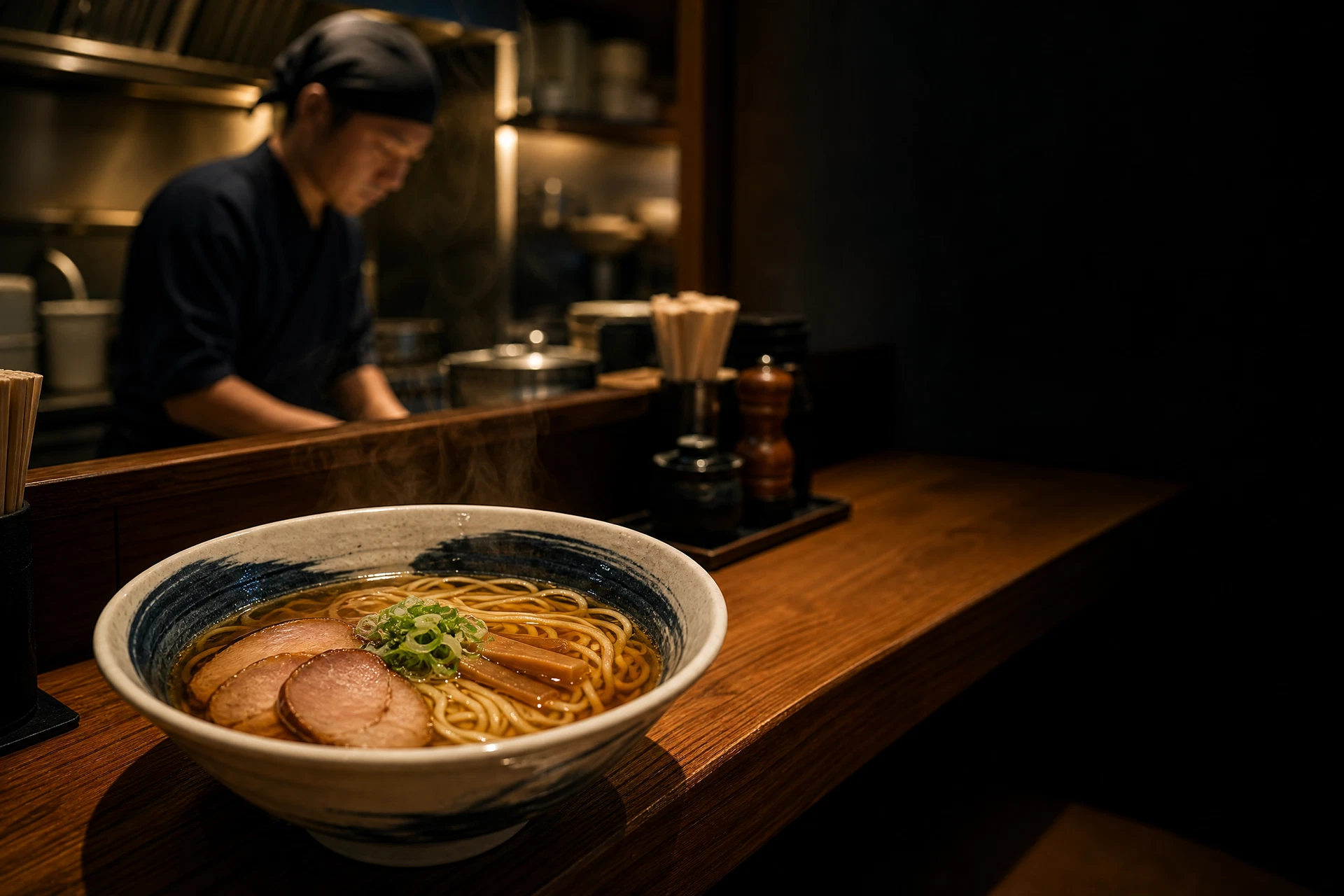
If you prefer a clear, aromatic bowl, look for shoyu, shio, or chicken-led descriptions. If you want a fuller, richer texture, pork-bone, dense fish, miso, or more concentrated styles may suit you. Ask yourself whether you want the broth to feel like the centre of the meal or whether noodles and toppings should carry equal weight.
3. Let noodles and toppings refine the choice
Ramen noodles gain their characteristic spring from kansui, an alkaline solution, while thickness, moisture, straightness, curl, and firmness affect how they hold broth [1]. Thin straight noodles often offer a quick, clean bite; thicker or wavier noodles can make the bowl feel more substantial. A shop's own description is the best current guide to the noodle it serves.
Toppings give another clue. Chashu, egg, menma bamboo shoots, spring onion, seaweed, and citrus are not merely decoration; they alter richness, freshness, and texture. If you know you prefer less pork, no egg, a lighter topping profile, or a particular ingredient, use that preference to narrow the field before you travel across the city.
4. Styles worth looking for in Tokyo
5. Put ramen in the right place in your day
A ramen meal can be a focused lunch, a warm reset after a museum, a casual dinner before an evening view, or a late finish after a flight. It is most satisfying when it belongs to the geography of your day. GO TOKYO recommends researching the styles that appeal to you and checking shops in the areas you will actually visit, rather than making a special cross-city dash without a wider plan [1].
Treat opening days, selling-out patterns, queue rules, and payment methods as live details. Check the shop's current official channels shortly before you go, particularly if ramen is the anchor around which you are timing a train, a ticketed attraction, or a dinner reservation later that evening.
6. Queues, ticket machines, and small-shop rhythm
Ramen is casual food, yet celebrated shops can have lines and very limited seating. JNTO notes that many shops use a vending machine rather than servers: insert money, select the bowl, toppings, sides, and drinks, then hand the tickets to staff or the chef [2]. Other shops use staff ordering, QR systems, or different payment methods, so always follow the current on-site guidance.
Check the menu before entering a line where possible, keep your group together only if the shop permits it, and be ready when your turn comes. A small ramen shop works well when each guest notices the people waiting behind them. This is why it is usually considerate to leave soon after finishing rather than treating the counter as a place to linger [2].
7. When the bowl arrives, give it your attention
Ramen is most expressive at the moment it is served. GO TOKYO's ramen feature explains that time changes the bowl: broth cools, fats set, and noodles take on more liquid. It suggests keeping photos and conversation brief at first, so the chef's intended texture is not lost [1].
There is no need to perform expertise. Taste the broth, notice the noodles, and adjust your pace to the bowl. Slurping is common and not considered impolite, but it is not a requirement; the central courtesy is simply to enjoy the meal while it is at its best [2].
8. Dietary needs, groups, and practical checks
A restaurant's flexibility can differ greatly. Broths may use pork, chicken, fish, shellfish, soy, sesame, or other ingredients, while a compact shop may have limited capacity to change a prepared recipe. If allergies, vegetarian or vegan preferences, halal requirements, alcohol restrictions, or child seating matter to your group, contact the restaurant directly before relying on it. Ask about ingredients and handling rather than making an assumption from the style name.
For families, larger parties, business groups, or travellers who need an unhurried meal, the right ramen experience may be one with space, seating, and a service format that feels natural—not necessarily the smallest or busiest counter. We can help you choose a fit for the occasion.
9. When dining consultation helps
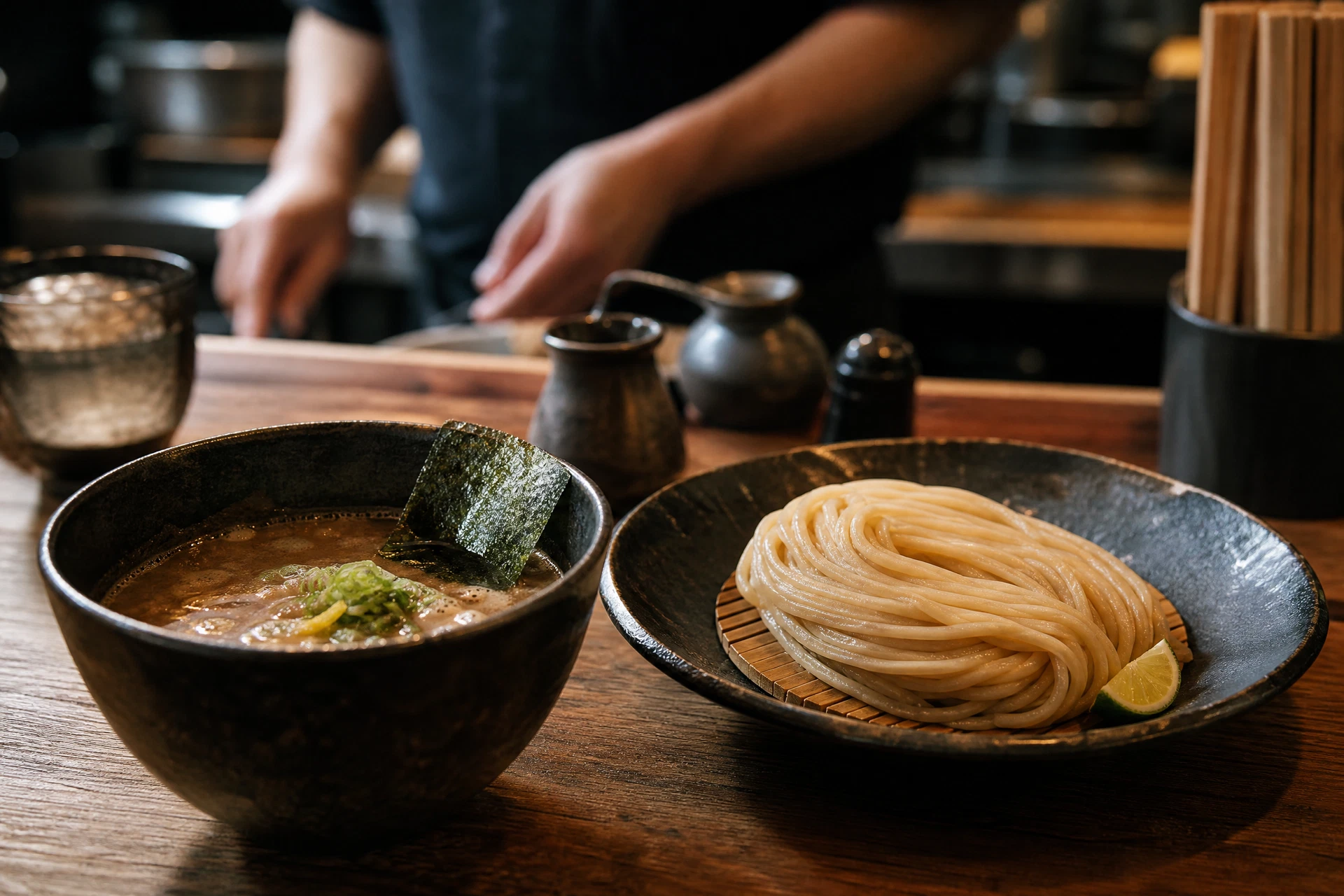
The ideal ramen stop depends on your itinerary as much as your appetite. A light chicken or shio bowl may suit a lunch between cultural stops; a substantial tsukemen can make sense after a late afternoon arrival; a classic Tokyo-style chuka soba may be exactly the right mood after an evening walk. The aim is to match the bowl, the neighbourhood, and the pace of the day.
Tell us your dates, hotel area, group size, timing, preferred flavours, dietary requirements, and whether ramen is a quick meal or a special part of the trip. NipponMe can help shape a thoughtful dining route and point you towards options that fit your plans, subject to each restaurant's own current availability and policies.
10. Official references before you go
Read the JNTO A Guide to Ramen in Japan for a grounding in styles, ordering systems, and dining context. Use the GO TOKYO Gourmet ramen feature to explore Tokyo's breadth and modern styles. Then check the official current information for any shop you plan to visit, including opening hours, queue rules, payment, sold-out status, and dietary guidance.
Tokyo ramen consultation
Would you like help finding a Tokyo ramen experience that fits your trip?
Tell us your dates, hotel area, group, preferred broth and noodle style, dietary requirements, and the kind of meal you want. We can help place a thoughtful ramen stop within a wider Tokyo dining itinerary.
Plan a Tokyo ramen stop