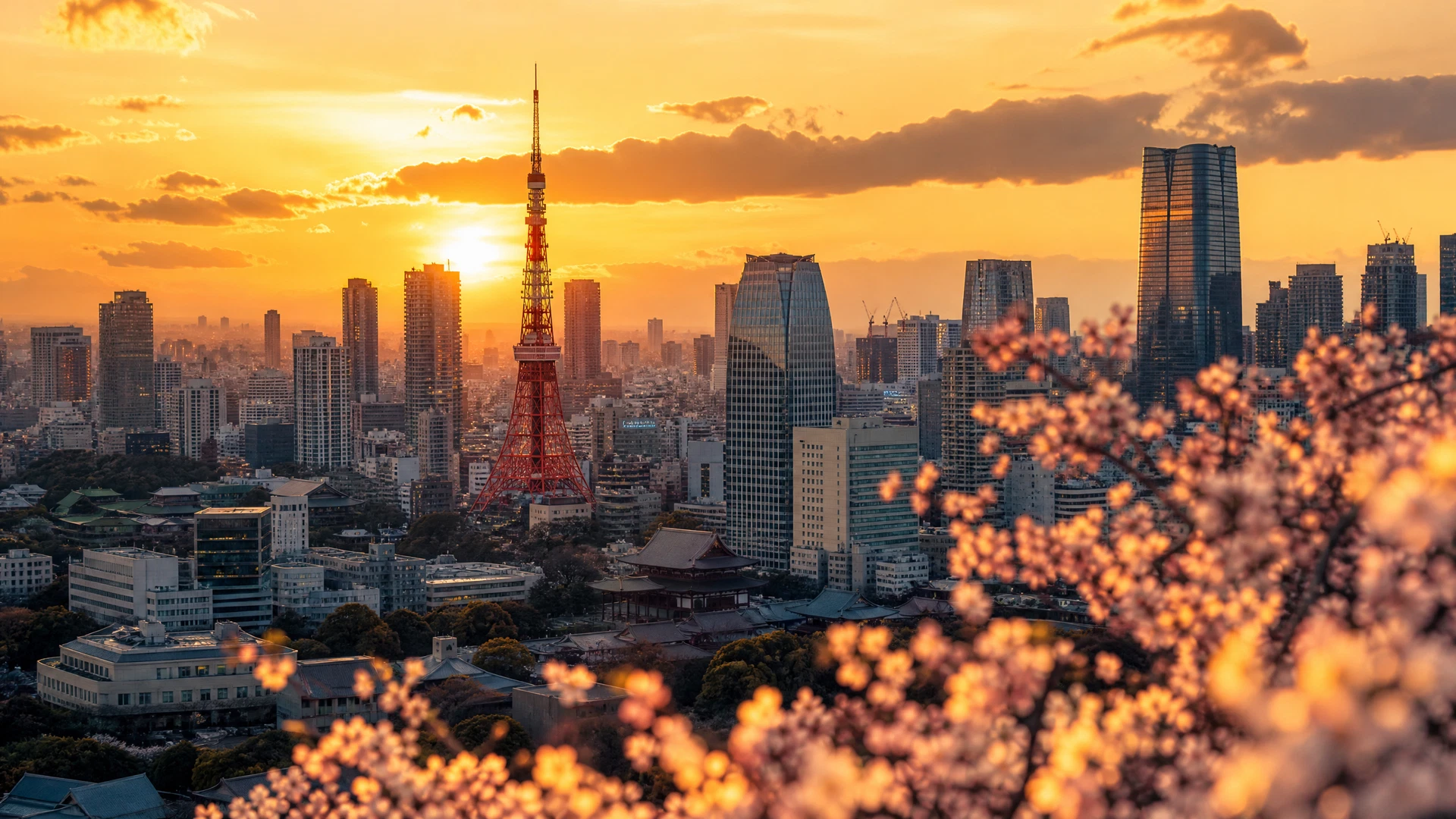
Tokyo is not a city where one “best restaurant” list can tell the whole story. A remarkable sushi counter, an intimate kaiseki room, a warm neighbourhood izakaya, and a sharply run modern French dining room can each be exactly right—depending on the day you have planned, the people at your table, and the memory you hope to take home.
The most useful dining plan begins with your travel style rather than a famous name. This guide helps you choose with intention, understand where Michelin fits, and know what to share when you would like a recommendation or reservation handled for you.
Once you know the kind of meal you want, use the restaurant reservations guide and the Tokyo ramen guide to turn that preference into a practical table plan.
1. Why Tokyo rewards a thoughtful dining plan
In Tokyo, dining is often the point around which a day naturally turns. A perfect lunch can make an afternoon in Ginza feel more relaxed. A carefully timed dinner can give purpose to a walk through Omotesando, an evening in Shinjuku, or a sunset transfer from Odaiba. Rather than treating meals as gaps between sights, treat one or two of them as anchors and let the city arrange itself around them.
That does not mean every meal needs to be formal. Tokyo's depth is its range: a focused counter meal, a family-run soba shop, a specialist tempura restaurant, a late-night yakitori stop, and a department-store basement all have a place. The luxury is not always the price. It is the confidence that the choice suits you.
2. Use Michelin as a compass—not the whole map
The MICHELIN Guide's Tokyo directory is an excellent starting point when you want a clear view across starred restaurants, Bib Gourmand choices, and selected addresses. It is especially useful for narrowing a cuisine, price range, setting, or service style before asking for help with the final decision.
But Michelin is a starting point, not a complete definition of Tokyo dining. Some of the most satisfying meals are at restaurants valued by Japanese guests for consistency, hospitality, a trusted chef, or a particular seasonal dish. Those places may be harder to discover from overseas, may not communicate extensively in English, and may need a reservation approach that respects the restaurant's own rhythm.
We can help you weigh both worlds: the acclaimed address you have been reading about and the less obvious table that may suit your party, your hotel, and your expectations better.
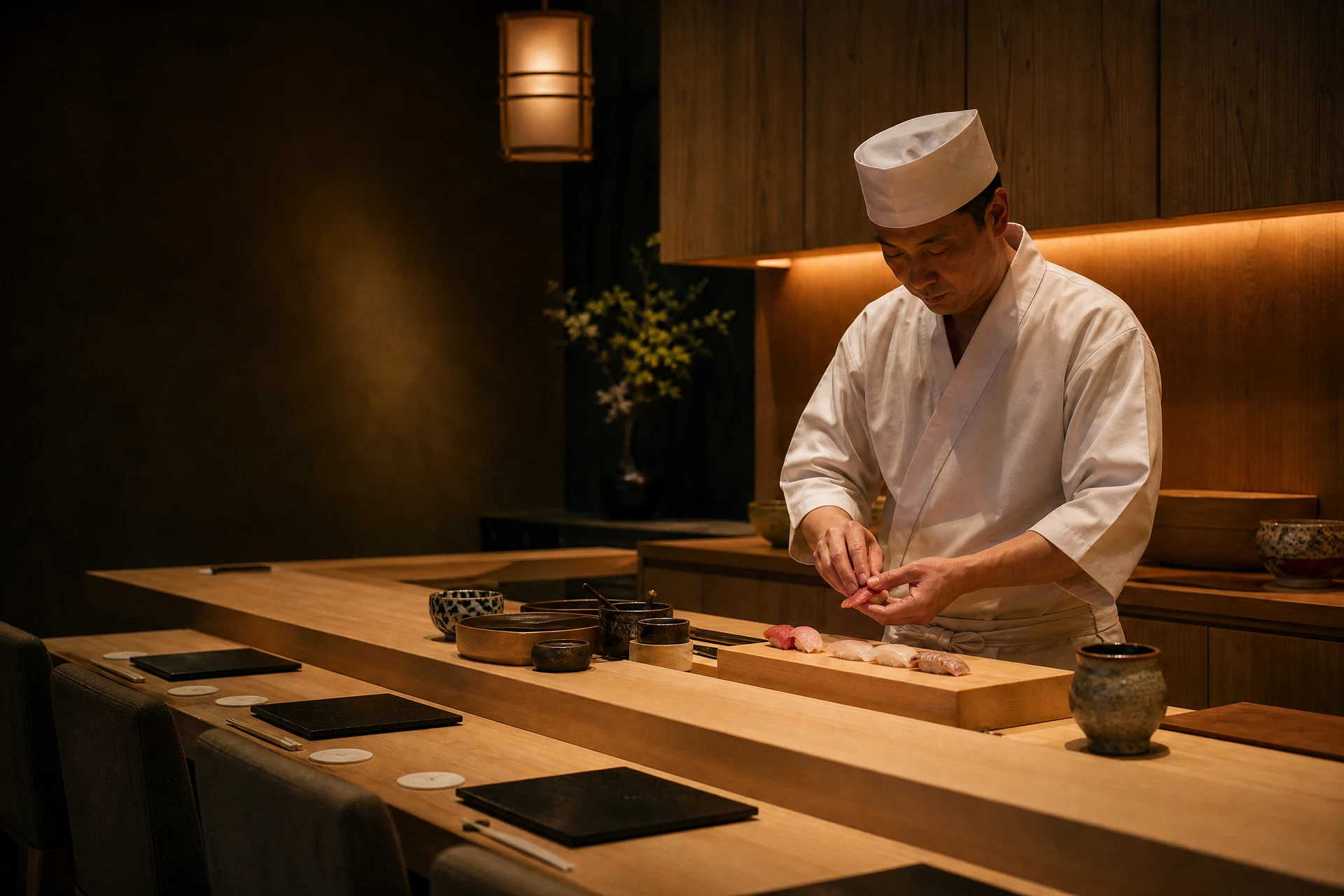
3. Choose a restaurant for the way you travel
Different travellers need different kinds of dining. Use the table below to translate a broad preference into a more useful reservation brief. Once we know the experience you want, we can narrow the options without reducing Tokyo to a single list.
4. The restaurants local guests recommend with confidence
A personal recommendation in Tokyo often carries a different kind of information: whether a restaurant is dependable on an important night, whether the room feels comfortable for international guests, whether the menu is likely to work for a mixed group, and whether the welcome is as good as the food. These details seldom fit neatly into an online rating.
Our dining concierge can draw on a carefully kept list of restaurants used to host important overseas guests during a career in a major Japanese trading company. That experience taught us that a successful hospitality meal is about more than prestige. The cuisine, formality, location, arrival experience, language comfort, and pace must all support the people sitting at the table.
We do not publish that list as a fixed ranking. Restaurants change menus, availability, seasons, and booking rules. Instead, we recommend from it thoughtfully after learning what would make your meal feel genuinely right.
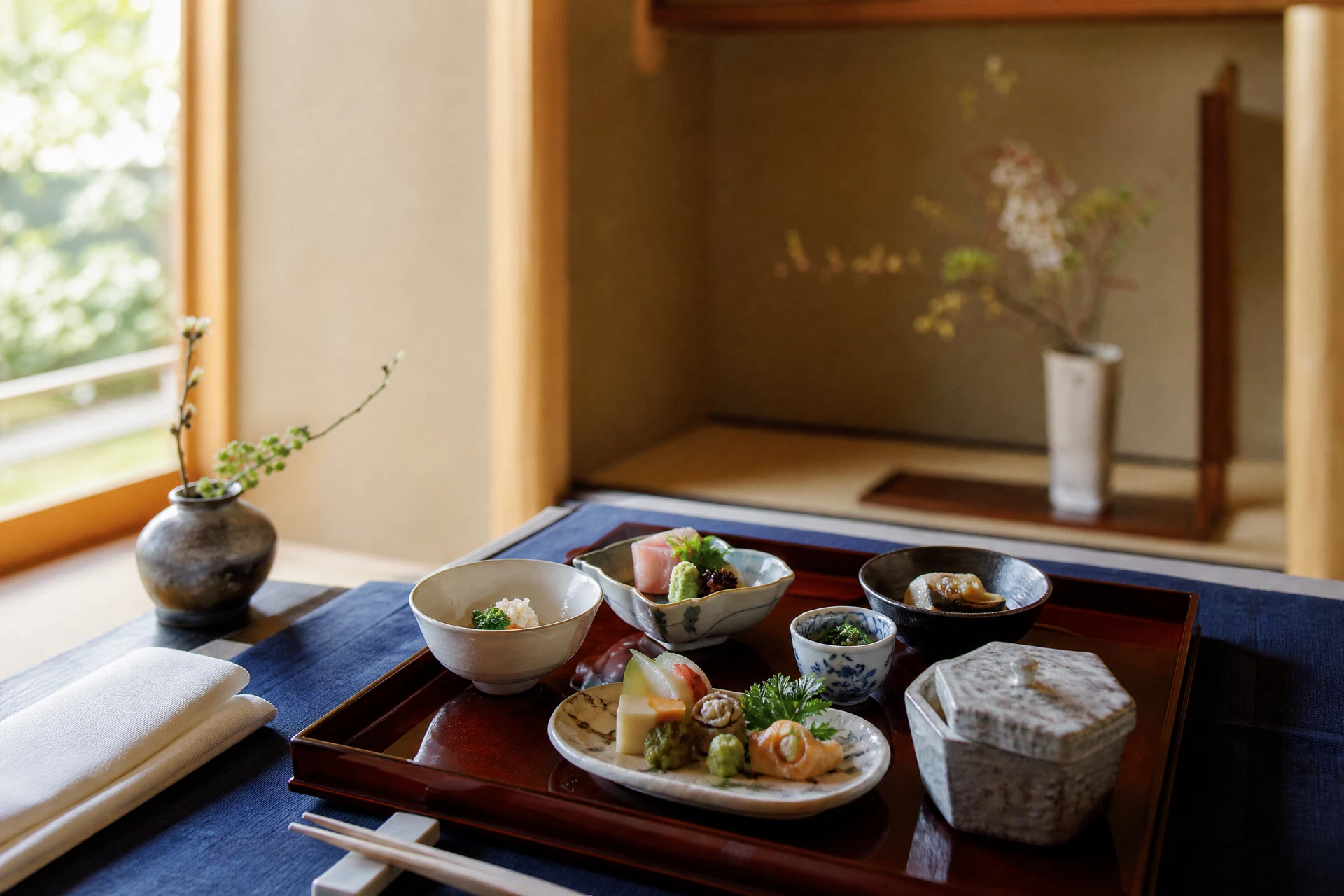
5. Match the table to the occasion
A table for a celebratory anniversary should feel different from a first night in the city, a family lunch, or a business dinner. For a celebration, the experience may call for a counter with a strong point of view or a polished tasting menu. For a business host, a private room, an unhurried service rhythm, and a location that is easy for both parties can be more valuable than a difficult-to-book name.
For families, we look at practical comfort: the time of the reservation, room layout, menu flexibility, travel time from the hotel, and whether the occasion will still feel enjoyable after a full day of sightseeing. For solo travellers, the warmth of a counter seat and a clear, welcoming format may matter more than a grand room.
6. Build the reservation into the shape of your day
The best restaurant can feel rushed if the day around it is badly planned. Leave space before an important reservation, especially if you are travelling across districts, shopping, or visiting a timed attraction. A private driver can be particularly helpful on a dining-focused day when luggage, older family members, multiple stops, or an exact dinner time are involved.
A simple formula works well: select a dining district, choose one nearby cultural or shopping stop, build in a calm arrival window, then let dinner be the evening's main event. Ginza and Marunouchi suit polished central plans; Shibuya and Omotesando suit a more contemporary energy; Asakusa works beautifully for an earlier, historic rhythm. We can align the restaurant with a private route rather than making your route work around a reservation.
7. How our dining recommendations and reservations work
If you would like help, begin with a short consultation. We ask about your dates, party size, hotel area, preferred cuisine, budget range, dietary needs, ideal atmosphere, and whether the meal marks a particular occasion. We then suggest a suitable direction—sometimes one leading address, sometimes a small set of well-matched choices.
Once you select a preferred option, we can assist with the reservation request. Availability, deposits, cancellation rules, dress expectations, and the restaurant's own booking policy always apply, so a recommendation is never a promise of a particular table. What we can promise is careful communication and a recommendation designed around your trip rather than a generic list.
8. What to share when you ask for a recommendation
The more specific your brief, the better the match. Let us know the following details in your inquiry: your preferred date and time, number of guests, cuisine preferences, approximate budget per person, dietary restrictions or allergies, whether children are joining, your hotel or planned district, and the feeling you want the evening to have.
If this is a business dinner, tell us whether privacy, quiet conversation, a private room, or a particular level of formality matters. If it is a celebration, let us know what you are celebrating. These small details help us recommend with confidence.
9. Useful official dining references
For independent research, explore the MICHELIN Guide's Tokyo restaurant directory by cuisine, distinction, price, and practical filters. For a broader introduction to Japanese food—from kaiseki and sushi to regional dishes, ramen, yakitori, and more—see the Japan National Tourism Organization's gastronomy guide.
Tokyo dining concierge
Would you like us to recommend—and request—a table for you?
Tell us your travel dates, dining style, budget, preferred area, and any dietary requirements. We can recommend restaurants that suit your Tokyo itinerary and assist with reservation requests for your preferred table.
Discuss dining and reservations