Kaiseki is not a menu you need to solve. It is a sequence to enter: a chef's reading of the season through temperature, texture, fragrance, ingredient, and vessel, designed so that one course quietly changes the meaning of the next.
For a first-time visitor, that can sound formal. It need not feel intimidating. With the right restaurant, enough time, and a clear understanding of how to book, kaiseki can be one of Tokyo's most generous ways to experience Japanese hospitality.
For another side of Tokyo fine dining, explore the Tokyo Michelin restaurants guide and the dietary requirements guide before discussing a seasonal menu with a restaurant.
1. What kaiseki is—and what it is not
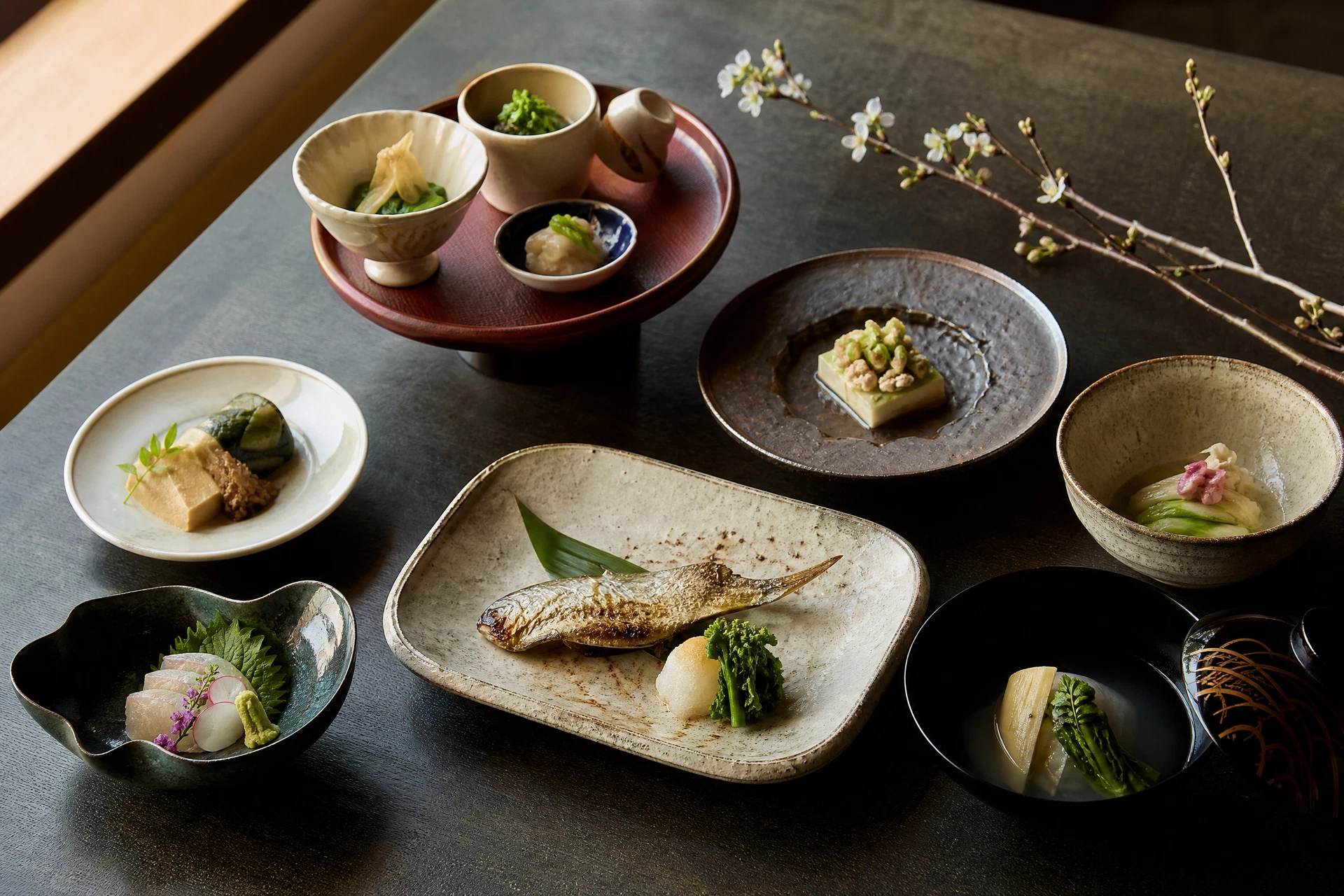
JNTO describes kaiseki-ryori as a traditional multi-course Japanese dinner in which seasonal ingredients and presentation are central. Each course balances flavour, texture, colour, and the tableware chosen for it [1]. It is a meal where the bowl, the plate, and even the pause between dishes are part of the expression.
Kaiseki is not one fixed list of dishes, nor is it simply “Japanese tasting menu” translated into another language. Restaurants may interpret the sequence differently, but the through-line is a chef's seasonal point of view. You do not need to know every ingredient or culinary technique in advance to enjoy it.
2. Why Tokyo is a strong place to begin
Tokyo offers a wide range of Japanese dining settings, from intimate counters and private rooms to long-established restaurants and more approachable lunch services. That variety lets a first-time guest choose an experience that matches their appetite for ceremony, their travel schedule, their comfort with a long dinner, and the people at the table.
The best first experience is not necessarily the most formal or the hardest table to book. It may be a calm restaurant with clear communication, a lunch that leaves room for a museum or shopping afternoon, or a dinner in the right neighbourhood after a private Tokyo day. The goal is to create enough space to notice what the meal is doing.
3. How a seasonal meal unfolds
A kaiseki menu is usually predetermined: the guest chooses a course, then allows the chef to lead the journey. JNTO identifies grilled fish, soup, and rice as common elements, while emphasising that a meal is never limited to those components [1]. You may encounter a small opening course, sashimi, a bowl or broth, grilled dishes, simmered food, a rice course, and something sweet, but exact order and content are the chef's decision.
Seasonality is the thread. A clear broth can highlight an ingredient at its most delicate; a grilled course can bring warmth and depth; a ceramic bowl can make a colour or temperature feel more present. If staff explain a dish, listen for the ingredient, region, and season. If they do not, simply taste attentively—there is no examination at the end.
4. Choose a setting and occasion that fit
Think about the meal as part of your day. A long, intricate dinner may be perfect for a celebration, a business-hosting evening, or a night when the meal itself is the main event. Lunch can be an excellent first step for travellers who want to experience the craft with more daylight and more flexibility around an evening plan.
Consider whether a counter, main dining room, or private room matters to your group. Consider conversation, walking comfort, the journey from your hotel, and whether anyone at the table will be anxious about a formal setting. The more honestly you define the occasion, the easier it is to recommend a restaurant whose hospitality matches it.
5. Booking a kaiseki meal with confidence
Reservations are recommended for kaiseki, and some restaurants serve a single course or have limited seats [1]. Request a table with the information a restaurant needs: dates, party size, meal preference, allergies, dietary restrictions, hotel location, language comfort, children or accessibility needs, and the type of occasion. Ask about current deposit, cancellation, arrival, and payment policies before confirmation.
Avoid assuming that a seasonal menu can be changed at the last minute. A restaurant may be able to accommodate a need when given enough notice, may offer a different course, or may explain that it cannot safely make the adjustment. Clear communication early is a sign of respect, and it is the safest way to enjoy the meal well.
6. At the table: pace, tableware, and attention
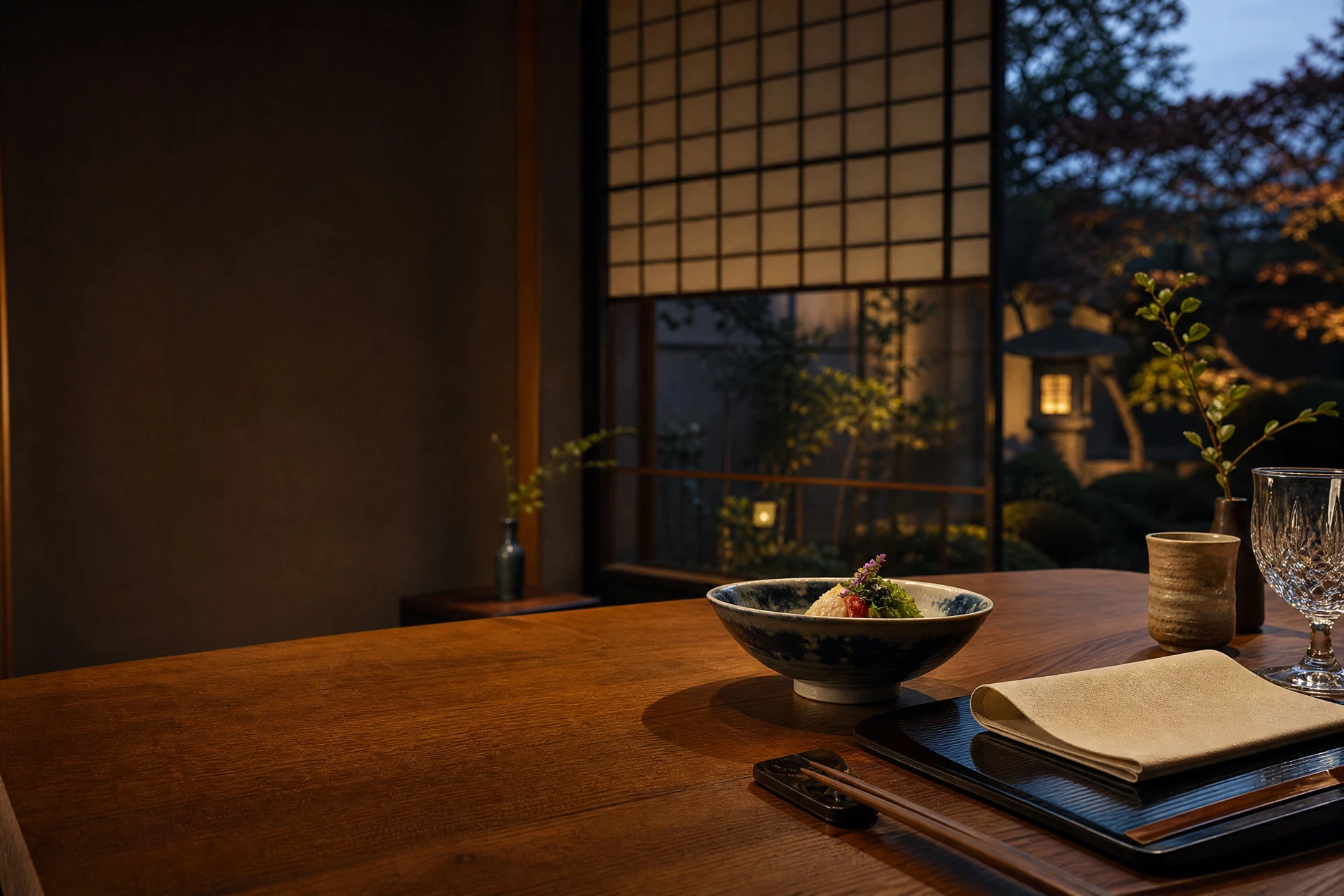
Arrive on time, follow the guidance of staff, and let the meal take the time it needs. There is no need to rush to identify every utensil or bowl. Watch the lead of the restaurant and ask a short, sincere question if you are unsure. The tableware is part of the chef's seasonal composition, so taking a moment to notice it is entirely appropriate.
As with any intimate restaurant, keep your phone silent, avoid strong fragrance, and be mindful of photography rules. Some rooms welcome a discreet photograph of a finished course; others may prefer no photos or may ask you to avoid staff and other guests. The most current instruction from the restaurant always takes precedence.
7. Dietary needs and first-time comfort
Kaiseki can be deeply welcoming to first-time visitors when the restaurant is a good match. You do not need specialist vocabulary. You only need to be clear about what you can eat, what you would prefer to avoid, and what kind of experience will make you comfortable. Mention allergies and restrictions at the earliest possible stage, including seafood, shellfish, alcohol, meat, vegetarian needs, and ingredients derived from fish.
If the meal feels unfamiliar, let curiosity replace pressure. A good first kaiseki experience can teach you more through one thoughtfully prepared broth or rice course than through a long explanation. The restaurant's rhythm is there to guide you; you are not required to perform expertise.
8. When dining consultation makes a difference
A kaiseki reservation asks more of a traveller than choosing a cuisine label. The right fit depends on privacy, pace, formality, seasonal interest, dietary needs, location, and whether the meal is a first encounter or an important occasion. A private driver can also make a fine-dining evening feel composed by connecting the restaurant to your day, storing purchases, and providing a calm arrival and return.
NipponMe can help you define the brief, recommend suitable options, and assist with a reservation request. Tell us your dates, party, hotel area, budget comfort, dietary needs, desired setting, and whether you prefer lunch or dinner. We will be transparent about availability and the restaurant's own rules, so the plan remains grounded in what is actually possible.
9. Official references to use before you book
Use the JNTO Kaiseki Guide for a foundation on seasonal, multi-course Japanese dining. For live research across Tokyo dining formats, browse the MICHELIN Guide Tokyo directory. Before travelling, check the restaurant's own official booking, allergy, cancellation, dress, and arrival guidance.
Tokyo kaiseki consultation
Would you like help planning a first—or unforgettable—Tokyo kaiseki meal?
Tell us your dates, party, hotel area, budget comfort, dietary needs, preferred setting, and whether you are looking for lunch, dinner, a private room, or a first kaiseki experience. We will help identify a thoughtful fit and assist with a reservation request.
Request a kaiseki consultation