Chichibu can look deceptively simple on a map: a green basin north-west of Tokyo, a direct rail escape, and a collection of shrines, valleys, and hot springs. The real pleasure is in allowing the region to change character from town to river, then from river to mountain.
JNTO describes Chichibu as a nature-rich Tokyo escape with shrine heritage, flower fields, temples, mountains, and the wider Nagatoro area within easy reach [1]. One night is enough for a thoughtful introduction. Two nights are better when you want to add a mountain shrine, a more relaxed Nagatoro day, or simply an evening that is not treated as a transfer between sightseeing stops.
If you are weighing a mountain escape against another multi-day route, explore the Tokyo to Nikko multi-day guide and the Tokyo autumn leaves guide before setting the pace for your days beyond Tokyo.
1. Why Chichibu deserves more than a day
A day trip can cover one appealing slice of Chichibu. It rarely gives you both the centre of Chichibu town and the distinct pace of Nagatoro, let alone the mountain landscape beyond. The region's best moments ask for a little slack: a quiet shrine visit before lunch, a river view that is worth lingering over, a hot-spring evening, or a mountain road that should not be driven in a rush.
Chichibu's landscape has cultural depth as well as scenery. Chichibu Shrine is central to the area's annual night festival, while Nagatoro layers the Arakawa River, Iwadatami rock formations, Mount Hodo, and outdoor activity into a very different kind of day [2]. Staying overnight lets these places feel connected rather than competitive.
2. Arriving from Tokyo and setting the right pace
Chichibu is reachable from Tokyo by train, and JNTO highlights the Seibu Chichibu Line from Ikebukuro as a practical approach; the limited-express Laview is a direct-style option that avoids a station change [1]. Reserved limited-express seats require both the base fare and a limited-express ticket, so confirm the latest service details before travel [3].
For a one-night stay, keep the first afternoon local. Settle into your hotel or ryokan, walk through central Chichibu, and allow dinner and a bath to be part of the itinerary. A private vehicle is particularly helpful for a Tokyo-hotel pick-up, luggage, an arrival-day shrine stop, or an inn outside the most convenient rail corridor.
3. How to choose between two and three days
Choose the two-day plan when you want a composed route through Chichibu town and Nagatoro, with one restorative night between them. Choose the three-day plan when the mountains matter as much as the town: it allows a dedicated visit to Mitsumine Shrine or another deeper-valley experience without compressing the river landscape into a hurried final stop.
1 night / 2 days
Town, river, and one good pause
Best for guests who want Chichibu Shrine, a local onsen evening, Nagatoro's river geology, and a calm return to Tokyo.
2 nights / 3 days
A slower mountain rhythm
Best for adding a mountain-shrine day, seasonal detours, or space for weather and personal interest to shape the route.
4. The 2-day plan: Chichibu town and Nagatoro
This one-night plan is designed as an introduction with two distinct settings: Chichibu town on the first day, followed by the Arakawa River and Mount Hodo side of Nagatoro on the second. It is strongest when you avoid treating the area as a checklist and leave the evening intact.
Day 1
Tokyo to Chichibu, shrine heritage, and an onsen evening
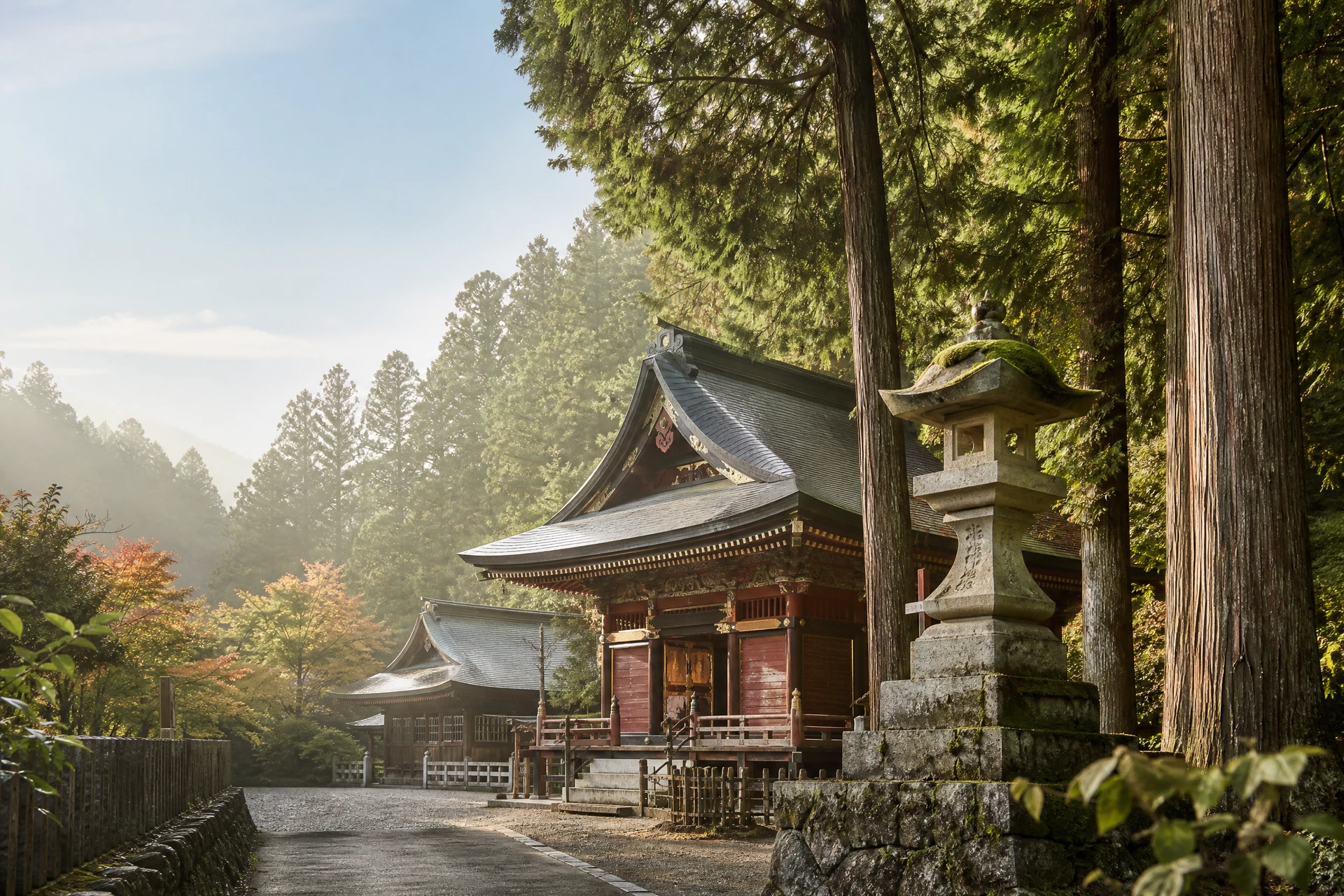
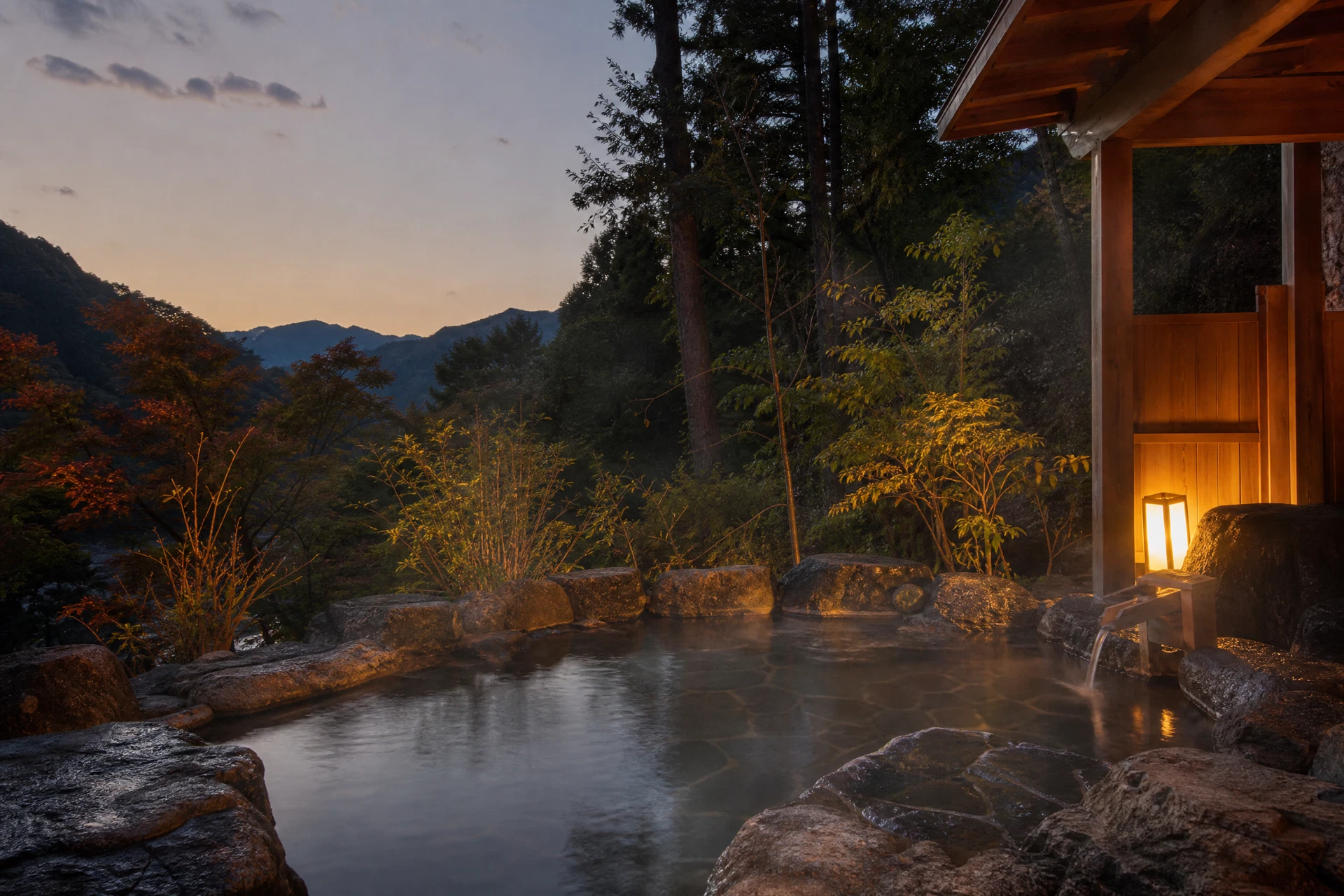
Arrive in the Chichibu area and begin close to your accommodation. Visit Chichibu Shrine, then consider the nearby festival context and local streets at an unhurried pace. Seibu Railway describes the shrine as the spiritual centre of the district and notes its connection to the Chichibu Night Festival [2]. Settle into a local hotel or ryokan, then make room for dinner and a bath rather than adding another long transfer.
Day 2
Nagatoro, Iwadatami, Mount Hodo, and Tokyo
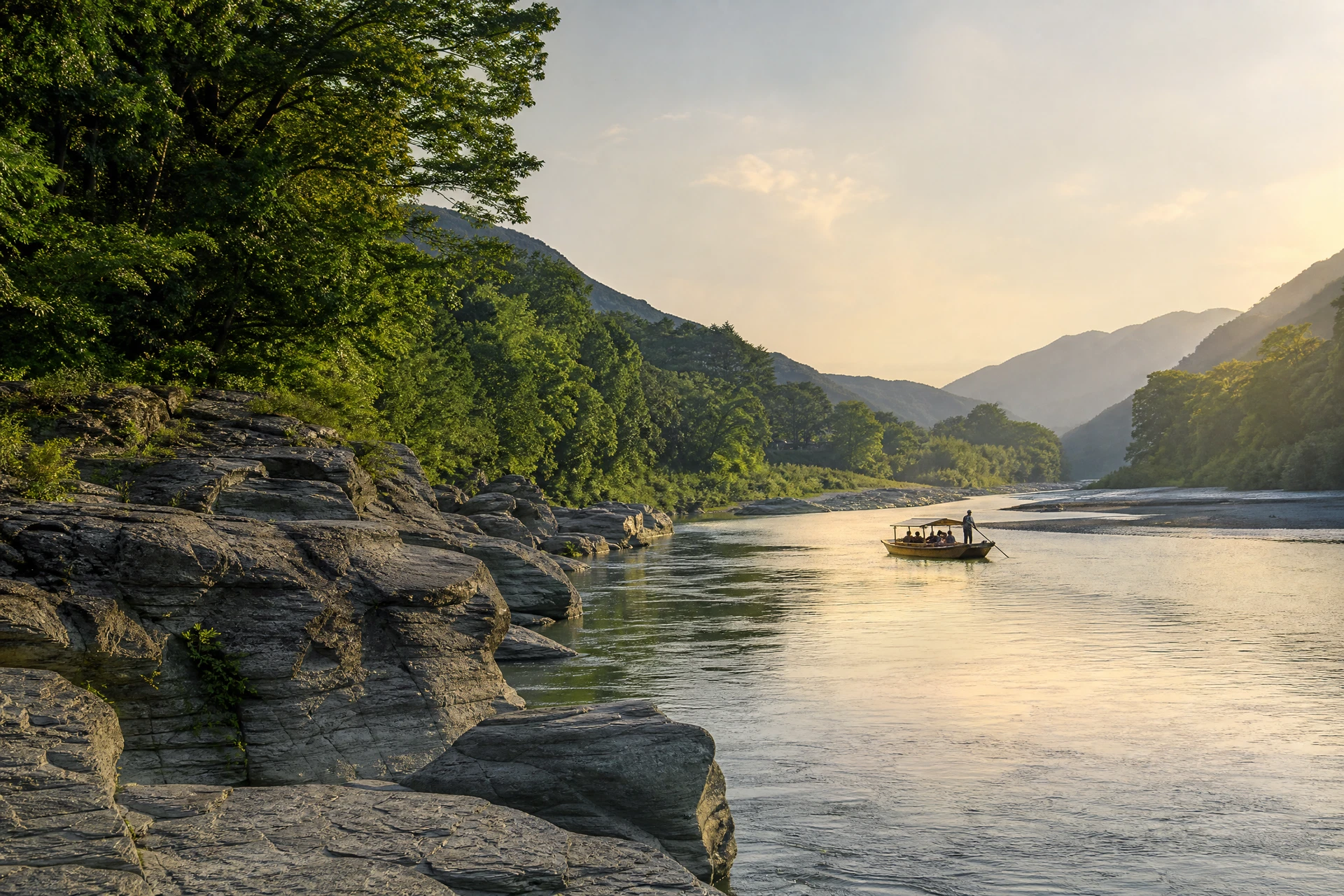
Travel to Nagatoro for the river landscape. The Iwadatami formations sit a short walk from Nagatoro Station, where the exposed, layered riverbank makes the region's geology tangible [4]. Add a riverboat journey only if current operations and conditions suit your group, then visit Hodosan Shrine or take the ropeway toward Mount Hodo before returning to Tokyo.
5. The 3-day plan: a deeper mountain journey
The second overnight stay separates Chichibu's town and river landscapes from its higher mountain geography. That extra day is not simply for more sights. It gives you a weather buffer, a quieter pace at Nagatoro, and a realistic way to add a sacred mountain route without turning the final return to Tokyo into a race.
Day 1
Tokyo to Chichibu and an onsen-first arrival
Leave Tokyo and keep the first day deliberately local. Settle in, walk around central Chichibu, visit Chichibu Shrine if arrival time allows, and make the evening a combination of local food and a bath. Matsuri no Yu sits by Seibu-Chichibu Station and combines a hot-spring facility with regional food and shopping [2].
Day 2
A full Nagatoro day at the river's pace
Give Nagatoro its own day. Start with Iwadatami and the Arakawa River, then choose between a seasonal river activity, the Hodosan Shrine approach, the ropeway, a short hike, or a slower cafe and local-street afternoon. The Nagatoro Tourist Association identifies Mount Hodo as a beginner-friendly mountain with seasonal scenery and a short ropeway connection [4]. Return to your Chichibu stay for a second relaxed evening.
Day 3
Mitsumine Shrine, the mountain landscape, and a flexible return
Use the final day for the higher mountains. Mitsumine Shrine is deep in the Chichibu area and is reached by a long bus approach from Seibu-Chichibu Station; JNTO notes its elevation, mountain-worship setting, and ancient trees [1]. A private charter makes this day especially flexible, but public transport can work when live timetables and a slower pace are accepted. Return through Chichibu for a final onsen or an early train to Tokyo.
6. Getting around Chichibu with confidence
Rail works well for the Chichibu-to-Nagatoro axis. JNTO notes a roughly 20-minute Chichibu Railway link between Chichibu and Nagatoro, while mountain sites need more deliberate planning [1]. Mitsumine Shrine, for example, needs a direct bus from Seibu-Chichibu Station and should be approached as the main commitment of the day rather than an extra stop.
A private charter is useful when luggage, a group with different walking comfort, a mountain-shrine day, or a specific sequence of accommodation, meals, and scenic stops would make railway and bus transfers feel like the centre of the trip. It does not need to remove the local railway or the river experience. It can simply make the parts between them feel less fragmented.
7. Seasons, stays, and practical planning
Chichibu has a strong seasonal identity. JNTO highlights the pink moss of Hitsujiyama Park from mid-April to early May, Nagatoro's autumn colour, and the winter Chichibu Night Festival [1]. Nagatoro also offers different seasonal scenes from riverbank blossom and fresh greenery to foliage and winter flowers on Mount Hodo [4].
Treat those moments as reasons to check dates, not as guarantees. Reserve accommodation early for festival dates, peak flowers, a preferred meal plan, private bath, Western beds, or accessible rooms. Before travelling, confirm rail and bus operation, road conditions, river activities, weather, and each attraction's current visitor guidance through official channels.
8. When a private charter changes the journey
Chichibu is especially rewarding with a private charter when the journey is more than a station-to-station outing. A vehicle can collect you at a Tokyo hotel, connect an onsen stay with Chichibu Shrine and Nagatoro, provide a comfortable route into the mountains, and carry luggage without asking the day to orbit around it.
Tell us your Tokyo base, dates, group size, luggage, preference for one or two nights, walking comfort, and whether the priority is shrines, river landscape, seasonal nature, onsen, or a balance of each. We can help shape a two-day or three-day private Chichibu journey around the pace that suits your group.
9. Use live official information before you go
Before departure, check the Chichibu Tourism Website for current local information, use the Chichibu Geopark recommended route for route ideas, check the Nagatoro Tourist Association for local activities and seasonal information, and use Seibu Railway for current rail information. Timetables, weather, road access, festivals, and activity operations should always be checked close to travel.
Chichibu multi-day consultation
Would you like a Chichibu stay designed around your pace?
Tell us when you are travelling, where you are staying in Tokyo, whether you prefer two or three days, your group size, luggage, and how you would balance shrine time, Nagatoro, mountain roads, onsen, and walking. We can help plan a private Chichibu journey with a route that respects both the landscape and your pace.
Plan a private Chichibu journey