Nikko is often presented as an easy extension of Tokyo. It can be reached simply enough, but it is not at its best when compressed into a race between shrine gates, a lake, and a return train. The cultural heart of central Nikko and the mountain landscapes of Okunikko each ask for their own time.
A two-night, three-day plan lets you arrive before the crowds settle in, spend one day with the World Heritage precincts, devote another to Lake Chuzenji and Kegon Falls, and leave room for a ryokan breakfast or onsen pause before returning to Tokyo. Visit Nikko itself notes that a day trip can cover the core sites, but that the region's culture and nature reward staying longer [1].
If mountain scenery or a different seasonal setting appeals, compare this route with the Tokyo to Hakone multi-day guide and the Tokyo autumn leaves guide before deciding when and where to travel.
1. Why Nikko deserves more than a day
Central Nikko brings together the World Heritage shrines and temples beneath cedar forests, while Okunikko opens into a different landscape of highland lakes, waterfalls, marshland, and hot springs. They are connected, but they do not feel like the same destination. Trying to fit both into a single return journey from Tokyo often turns the most atmospheric parts of the region into quick stops.
The official Nikko guide makes the case plainly: stay long enough to appreciate quiet temple hours, sunsets from an open-air bath, less-crowded lakes and waterfalls, and the hospitality of a ryokan [1]. For a first visit, two nights create a better balance between iconic sights and the slower qualities that make Nikko memorable.
2. Arriving from Tokyo and setting the right pace
Start from Tokyo in the morning and treat the transfer as the beginning of the trip, not an obstacle to get past. Tobu operates direct trains from Asakusa and also connects from Shinjuku; the official guide identifies central Nikko's twin Nikko and Tobu-Nikko stations as the natural gateways for the next stage of the journey [1].
For a public-transport stay, keep the first afternoon close to central Nikko and reserve the mountain roads for the following day. With a private charter, hotel pickup, luggage, rural transfers, and the order of the itinerary can be shaped around your group rather than station timetables. In either case, arriving with an overnight in mind makes the first day calmer.
3. Day 1: Central Nikko and the World Heritage area
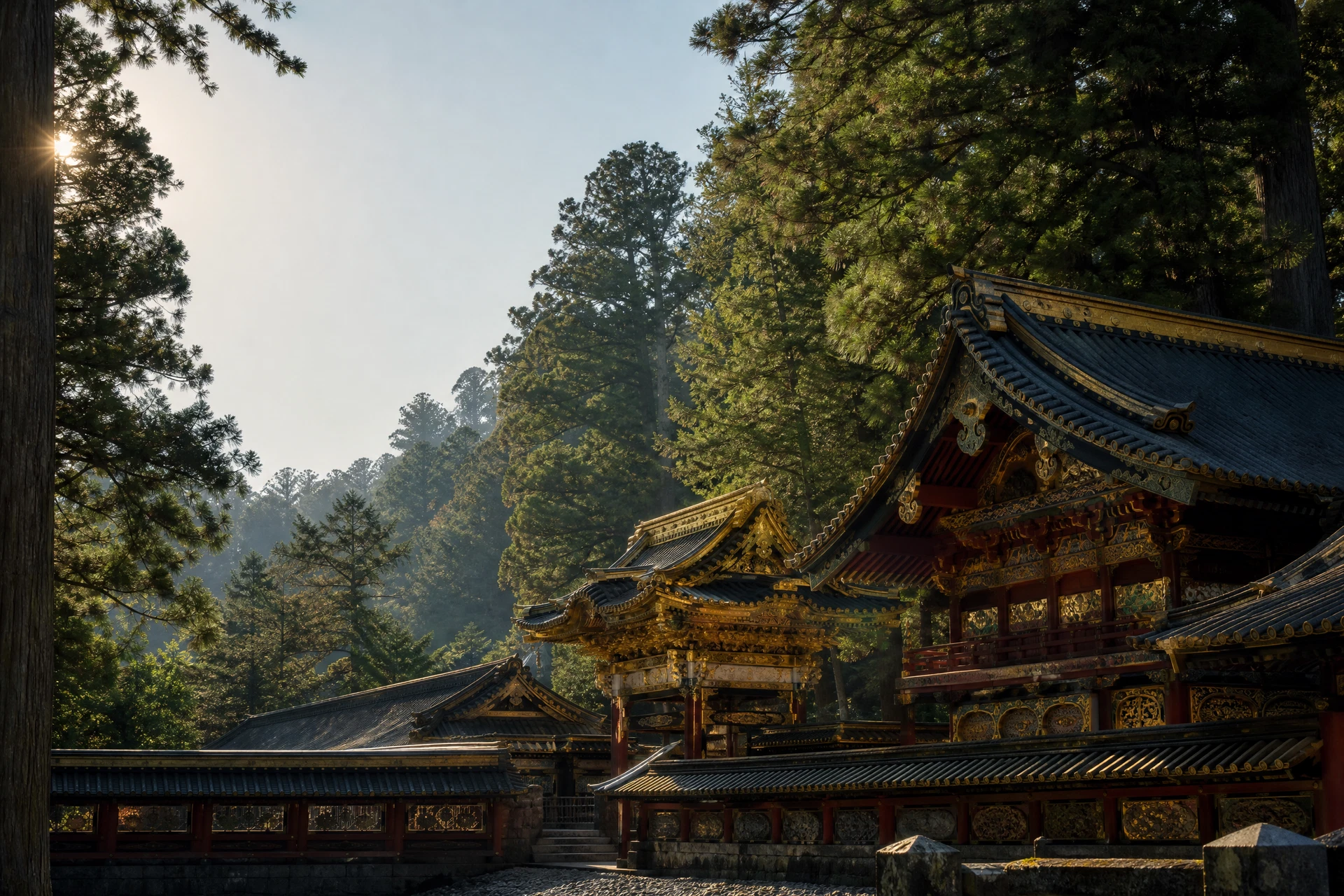
Use the first day for the World Heritage area: Toshogu, Futarasan Shrine, Rinno-ji, and the cedar-lined paths that connect the precincts. Visit Nikko describes this walkable core as two Shinto shrines and one Buddhist temple, with more than 100 detailed historic structures set among old trees and stone lanterns [1].
Choose two or three focal spaces rather than every possible gate or hall. An early Toshogu visit, a pause at Rinno-ji, and time to walk without a fixed agenda are more useful than a crowded checklist. End the day with a local dinner, then settle into your ryokan or hotel while the practical pressure of a same-day return has disappeared.
4. Day 2: Lake Chuzenji, Kegon Falls, and Okunikko
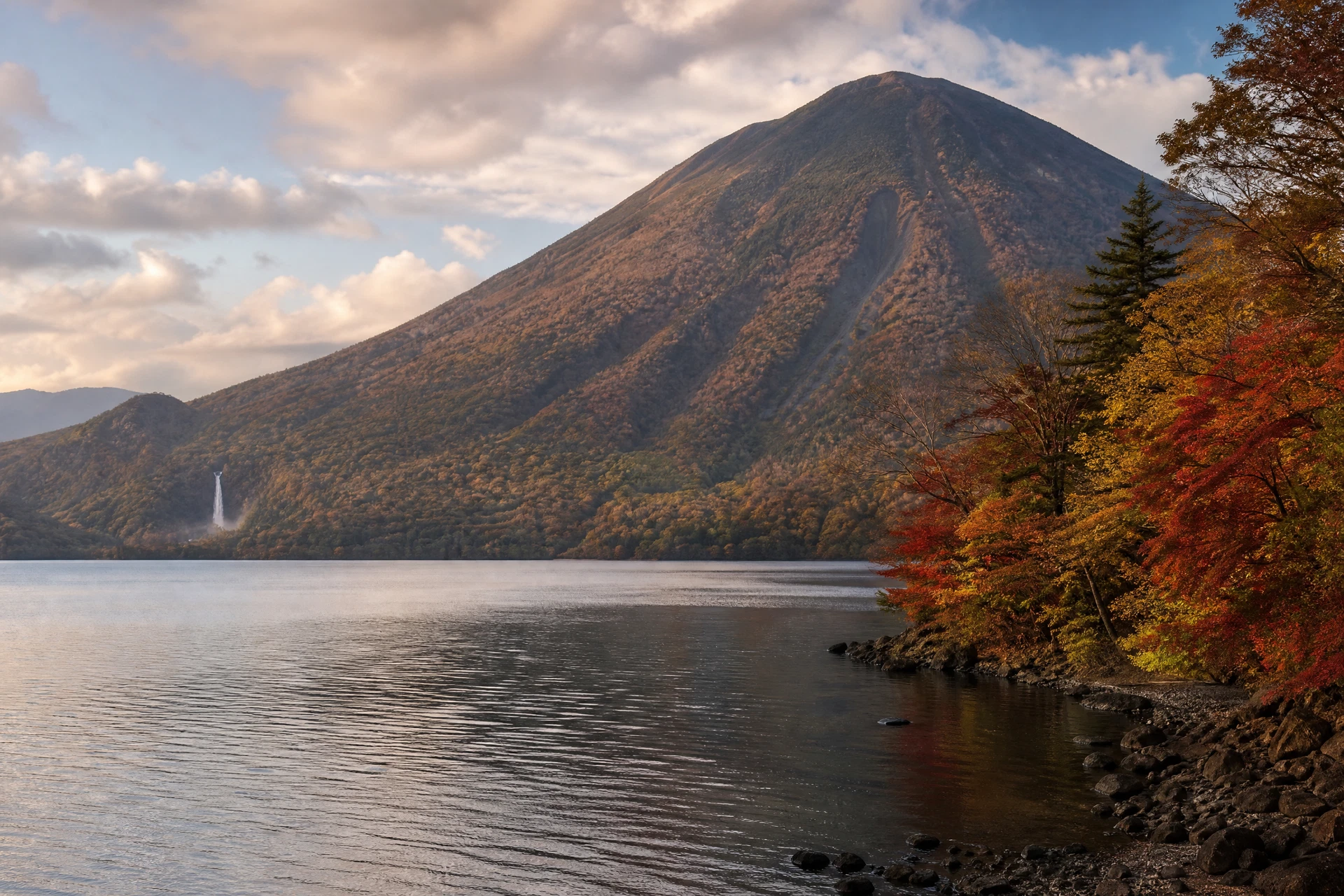
The second day belongs to Okunikko. Lake Chuzenji, Kegon Falls, Senjogahara, and Mt. Nantai form a highland landscape that feels far from Tokyo and far from the more formal architecture of the previous day. Visit Nikko places these places together in Okunikko, the part of Nikko National Park that also includes hot-spring retreats and inns [2].
Kegon Falls begins at Lake Chuzenji and drops 97 metres; the official guide says buses bound for Chuzenji Onsen take around 40 minutes from Nikko or Tobu-Nikko Station [3]. Give this area the bulk of a day. A lake walk, waterfall viewpoint, relaxed lunch, and time to absorb the change in altitude will make the route feel coherent.
5. Day 3: An onsen morning and an unhurried return
The third day is deliberately light. If you have stayed in a ryokan, let breakfast and a final bath set the tempo. Depending on your base, you may add a small cultural stop in central Nikko, a local soba lunch, or one last lakeside view before travelling back to Tokyo. This is the value of a multi-day journey: the return is not a deadline hanging over every earlier choice.
This final half day also gives the itinerary resilience. Poor weather, a slower morning, an unexpected favourite place, or a family member who needs less walking no longer forces you to abandon the most important parts of Nikko. The plan can stay generous without becoming inefficient.
6. Getting around Nikko with confidence
Buses are the main way to move around the region, running frequent circuits around World Heritage sites and popular destinations, with less frequent services to more rural areas. Visit Nikko notes that regional transport passes can make hop-on, hop-off travel easier, while taxis and rental cars help with custom routes or remote corners [1].
For a two-night stay, the key decision is not only how you reach Nikko but how much flexibility you want once you are there. Public transport works well with a simple base and patient timing. A private vehicle is especially helpful for groups, guests with luggage, travellers who prefer fewer transfers, or a route that combines central Nikko, Okunikko, and an onsen stay without retracing every step.
7. Seasons, accommodation, and practical planning
Nikko changes character with the season. The official guide highlights spring flowers, cooler summer air around rivers and lakes, popular autumn foliage, and winter snow and hot springs [1]. The more dramatic the season, the more important it becomes to reserve accommodation and leave margin for weather and traffic.
Book your stay before arriving, especially for a ryokan or an onsen area. The official visitor guide recommends advance booking and notes that the Nikko Tourist Information Center can assist with accommodation questions [1]. Pack for changing temperatures, wear shoes that work on uneven paths, and check day-of transport information before heading into the mountains.
8. When a private charter changes the journey
Nikko is a strong place to use a private charter because the experience is spread across station arrivals, cultural precincts, mountain roads, lake viewpoints, and accommodation. A vehicle does not need to make the trip faster; its value is that it can make the journey less fragmented. Hotel pickup, luggage, weather changes, walking comfort, and the pace of an overnight stay can all be considered together.
Tell us your Tokyo hotel, preferred number of nights, group size, luggage, walking comfort, and whether you would like a ryokan or hotel style of stay. We can help shape a private Nikko journey that keeps central Nikko, Okunikko, and your accommodation connected without turning the route into a race.
9. Use live official information before you go
Before departure, check Visit Nikko for current travel, weather, and seasonal guidance; use its first-time visitor guide for planning; and confirm the Kegon Falls page for current access details. Mountain conditions, traffic, operating hours, and seasonal access should always be checked close to travel.
Nikko multi-day consultation
Would you like a Nikko stay designed around your pace?
Tell us when you are travelling, where you are staying in Tokyo, how many nights you have, your group size, luggage, and the balance of shrines, nature, onsen time, and walking that feels right. We can help plan a private Nikko journey with the flexibility that a multi-day stay deserves.
Plan a private Nikko journey