Hakone is close enough to Tokyo to invite a rushed day trip. Yet its most memorable qualities—an unhurried ryokan evening, changing mountain weather, a lake crossing, a shrine path, and art set among trees—rarely fit well into one long return journey.
A stay of one or two nights lets the region unfold at its natural pace. JNTO describes Hakone as a resort area of celebrated hot springs, Lake Ashinoko, volcanic scenery, and outdoor art within Fuji-Hakone-Izu National Park [1]. The right choice is not a question of seeing everything. It is a question of deciding whether you want a beautifully focused two days or a three-day journey with real breathing room.
For a different onsen and coast rhythm, compare this route with the Tokyo to Atami multi-day guide and the Tokyo autumn leaves guide when deciding how to use the season.
1. Why Hakone deserves more than a day
Hakone is a landscape rather than a single town. Hakone-Yumoto, Gora, Kowakidani, Owakudani, Sengokuhara, Moto-Hakone, and Lake Ashinoko have different atmospheres, elevations, and practical connections. Moving between them is part of the experience, particularly by mountain railway, cable car, ropeway, bus, or boat. But this also means that trying to combine every highlight in a single day can turn scenery into a sequence of transfers.
The region rewards a night in a ryokan. JNTO's Hakone itinerary explicitly recommends two days and notes how a comfortable inn, outdoor art, mountain transport, lake cruises, and Mt. Fuji views can be paired with a slower bath-led rhythm [2]. A second night is even more useful when you prefer art, walks, or time to respond to weather rather than rushing onward.
2. Arriving from Tokyo and setting the right pace
From Shinjuku, the limited-express Romancecar is a convenient direct-style option for reaching the Hakone area; Hakone Navi identifies it as the fastest Odakyu route and directs visitors to live booking and transport information [3]. From Tokyo Station, the Shinkansen connection to Odawara offers another useful gateway before local travel into the mountains [1].
Whichever route you use, keep arrival day deliberately light. Transfer to your ryokan, settle your luggage, take a first bath, and let dinner be part of the plan. A private charter can be especially useful for a hotel-to-ryokan transfer, several bags, a group with varied walking comfort, or a route that begins with a cultural stop rather than a station change.
3. How to choose between two and three days
Choose the two-day plan if you want a refined introduction: one ryokan night, a focused art stop, the volcanic and lake landscape, Hakone Shrine, and a return to Tokyo. It is full but coherent when the order is kept disciplined. Choose the three-day plan if you want the same essentials without forcing every hour to perform, or if your group values a longer museum visit, another onsen evening, seasonal gardens, heritage paths, or a weather buffer for lake and mountain views.
1 night / 2 days
Focused and restorative
Best for guests who want a ryokan night and Hakone's signature natural and cultural moments in one elegant route.
2 nights / 3 days
Slow and spacious
Best for a deeper art, onsen, and lake experience, with time to let weather and personal interest shape the final day.
4. The 2-day plan: an essential Hakone escape
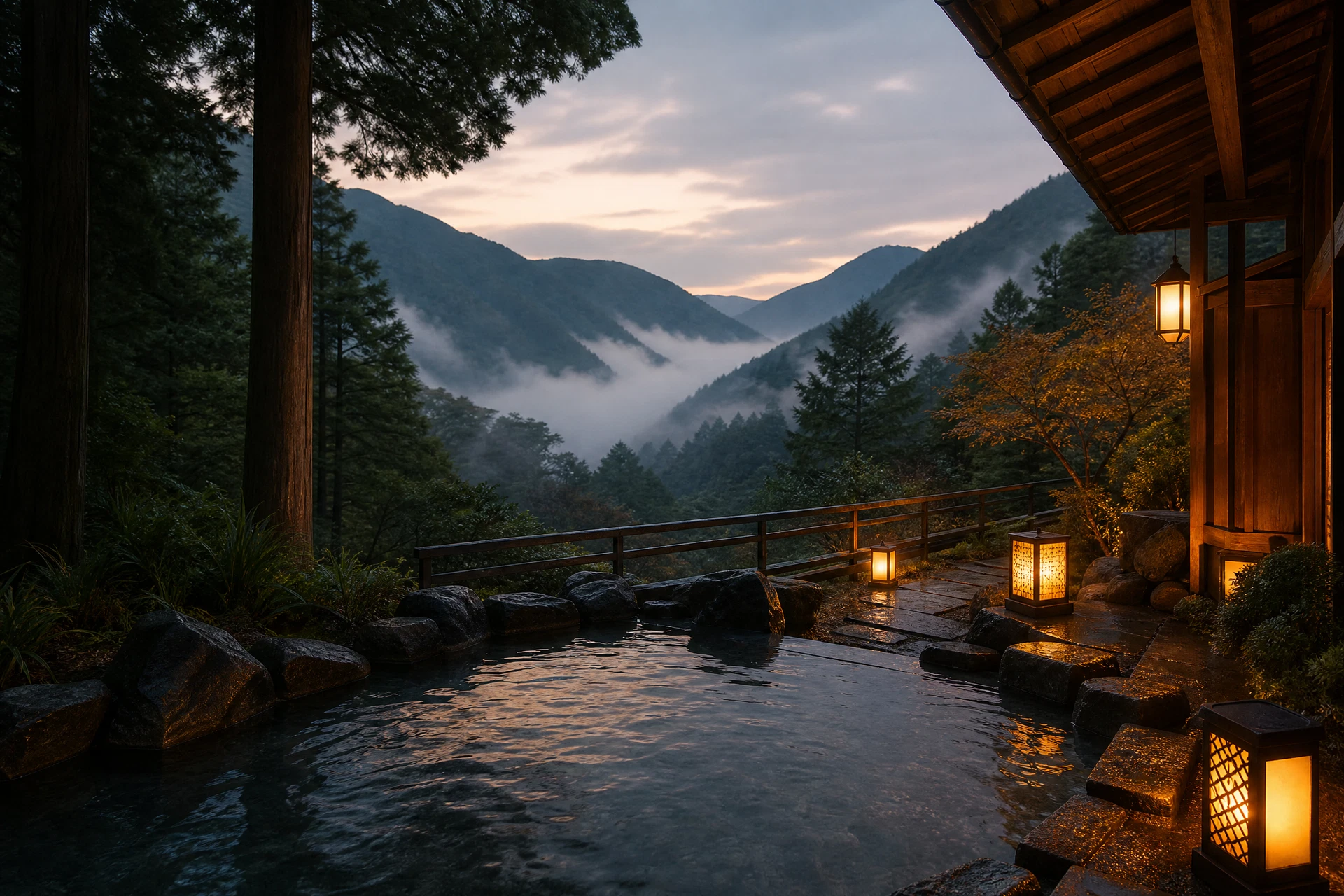
This one-night plan is for travellers who want to leave Tokyo, sleep in Hakone, and return with a clear sense of the region's art, water, mountain terrain, and restorative hospitality. It works best when you choose a well-located ryokan and protect the evening from extra sightseeing.
Day 1
Tokyo to Hakone, art in the mountains, and a ryokan evening
Travel from Tokyo to Hakone-Yumoto or Odawara, then move toward Gora or Kowakidani for an art-led afternoon. The Hakone Open-Air Museum is substantial enough to deserve real time: its sculpture garden is spread across a mountain-facing site and includes a broad collection of modern and contemporary work [4]. Check in to your ryokan in time for a bath, dinner, and an unhurried night.
Day 2
Owakudani, Lake Ashi, Hakone Shrine, and Tokyo
Move through the volcanic landscape around Owakudani, subject to live ropeway and weather conditions, then continue to Lake Ashinoko. On a clear day, the lake is one of Hakone's most recognisable Mt. Fuji viewpoints; a sightseeing cruise connects lake ports and makes the transition across the landscape feel part of the day [5]. Visit Hakone Shrine near Moto-Hakone, then return to Tokyo with enough margin for the final transfer.
5. The 3-day plan: more space for art, onsen, and the lake
This two-night plan uses the additional day to separate the art and inn experience from the lake and volcanic landscape. That separation matters. The mountain transport network and changing weather can be enjoyable when there is time, but tiring when every connection has to work perfectly.
Day 1
Tokyo to Hakone and an onsen-first arrival
Leave Tokyo without trying to complete the circuit on the first day. Transfer to a ryokan, take a first bath, walk a little around your immediate area, and enjoy dinner at the inn. This is especially valuable after an international arrival, a busy Tokyo programme, or any trip where rest is a real priority.
Day 2
Art, gardens, and a second unhurried evening
Build the second day around the Gora, Kowakidani, or Sengokuhara side of Hakone. The Open-Air Museum can anchor the day, and the surrounding art areas or gardens can be added according to interest. JNTO places the Open-Air Museum alongside Gora craft experiences and wider Sengokuhara art and botanical options [2]. Return to the ryokan early enough for another full onsen and dinner experience.
Day 3
Owakudani, Lake Ashi, Hakone Shrine, and a flexible return
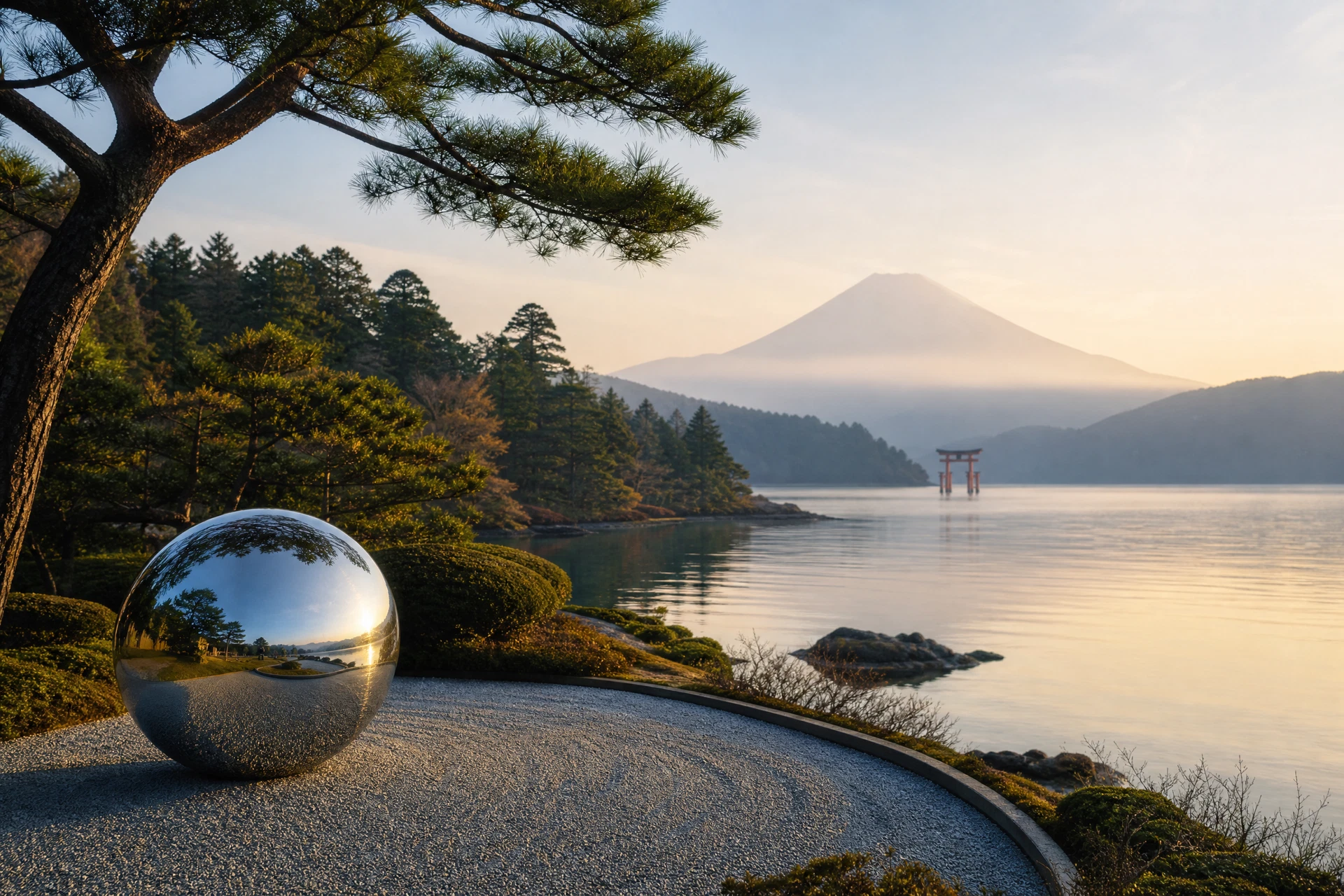
Use the final day for the classic mountain-to-lake sequence: Owakudani where conditions permit, a ropeway descent toward Togendai, a Lake Ashi cruise, and Hakone Shrine or the old lakeside route. Hakone Shrine's setting near the lake and its peace torii make a reflective finish before a private vehicle or public route back to Tokyo [6].
6. Getting around Hakone with confidence
Public transport is part of Hakone's character, but it is not always the fastest way to move between every pair of sights. The Hakone Freepass can cover many local trains, buses, ropeways, and boats, and JNTO notes that both two-day and three-day passes are available for the network [2]. It works particularly well when you are comfortable with changing vehicles and the route has few fixed commitments.
A private charter is useful when luggage, limited mobility, young children, a ryokan outside the main transport line, or a very specific order of visits would make transfers feel like the focus of the trip. It can also create a direct connection between a Tokyo hotel, an Odawara stop, an art museum, and your inn. The goal is not to add every attraction; it is to remove the friction that prevents the right ones from feeling enjoyable.
7. Seasons, accommodation, and practical planning
Hakone's appeal changes with the season: fresh green forest, summer mountain air, autumn colour, winter onsen, and the possibility of crisp views across Lake Ashi. None of those views can be guaranteed. Build the itinerary around experiences that remain worthwhile in varied weather—an inn, art, food, a bath, and a forested walk—then treat Mt. Fuji and the clearest lake panorama as welcome additions.
Reserve a ryokan or hotel early when dates are set, especially for a specific meal plan, private bath, Western-style beds, accessible room, or view. Keep a close eye on live transport, weather, volcanic-area, and ropeway notices before each travel day. JNTO notes that Owakudani's sulfuric gases can be irritating for some visitors, so groups with respiratory concerns should consider the current guidance and a comfortable alternative [2].
8. When a private charter changes the journey
Hakone is a particularly strong private-charter destination because the experience is spread across a Tokyo departure, mountain gateway, steep and scenic local routes, an overnight stay, museum areas, a volcanic valley, and the lake. A vehicle does not need to replace every railway or boat experience. It can simply connect the parts that would otherwise be fragmented, so the journey still feels calm when you arrive at the ryokan.
Tell us your Tokyo hotel, dates, group size, luggage, preferred number of nights, walking comfort, and whether the priority is onsen, art, Lake Ashi, Hakone Shrine, or a balance of all four. We can help shape a two-day or three-day private Hakone journey around the rhythm that fits your group.
9. Use live official information before you go
Before departure, check HAKONE JAPAN for current planning ideas, use Hakone Navi's Tokyo access guidance for live-route information, check The Hakone Open-Air Museum for current exhibitions and visitor details, and use Hakone Navi's shrine information for local arrival guidance. Transport operation, ropeway conditions, weather, museum hours, and seasonal access should always be checked close to travel.
Hakone multi-day consultation
Would you like a Hakone stay designed around your pace?
Tell us when you are travelling, where you are staying in Tokyo, whether you prefer two or three days, your group size, luggage, and how you would balance onsen time, art, Lake Ashi, Hakone Shrine, and walking. We can help plan a private Hakone journey with a route that respects both the landscape and your pace.
Plan a private Hakone journey