Tokyo is wonderfully stimulating for children, but it is also large, layered, and full of small decisions. The most comfortable family itineraries do not try to make every hour “special.” They leave room for snacks, changing plans, a pause by a window, an early dinner, and the delight of noticing something unplanned.
A private car can make that rhythm easier, especially with luggage, a stroller, several generations, or a group that would rather spend its energy on the city than on repeated transfers. It is not a substitute for good planning; it is a way to keep a good plan flexible.
For a family itinerary that begins smoothly, pair these ideas with the first-time Tokyo planning guide and the Tokyo summer guide before you fix the first day's pace.
1. Begin with a family rhythm, not a long list
A family itinerary becomes easier when it is built around the energy of the day rather than a checklist of landmarks. GO TOKYO recommends a mix of activities, appropriate restaurants, and plenty of rest time when travelling with children, particularly because jet lag can be difficult for younger travellers [1].
A useful starting point is one main experience, one food or rest anchor, and one open stretch of time. A shrine, park, aquarium, design space, museum, or neighbourhood walk may be the main experience; it does not need to be followed by three more major stops for the day to feel full.
2. Choose the details that matter to your family
Before choosing attractions, decide what makes a day comfortable for your particular group. Ages, nap timing, dietary needs, confidence with public transport, stroller or carrier preference, attention span, hotel location, and interest in food, art, animals, trains, gardens, or pop culture all shape a better route than a generic “best of Tokyo” list.
Share the practical details before you reserve a restaurant, vehicle, or timed attraction. This allows the plan to focus on realistic journey lengths, seating breaks, luggage, and the times of day when your children are most open to exploring.
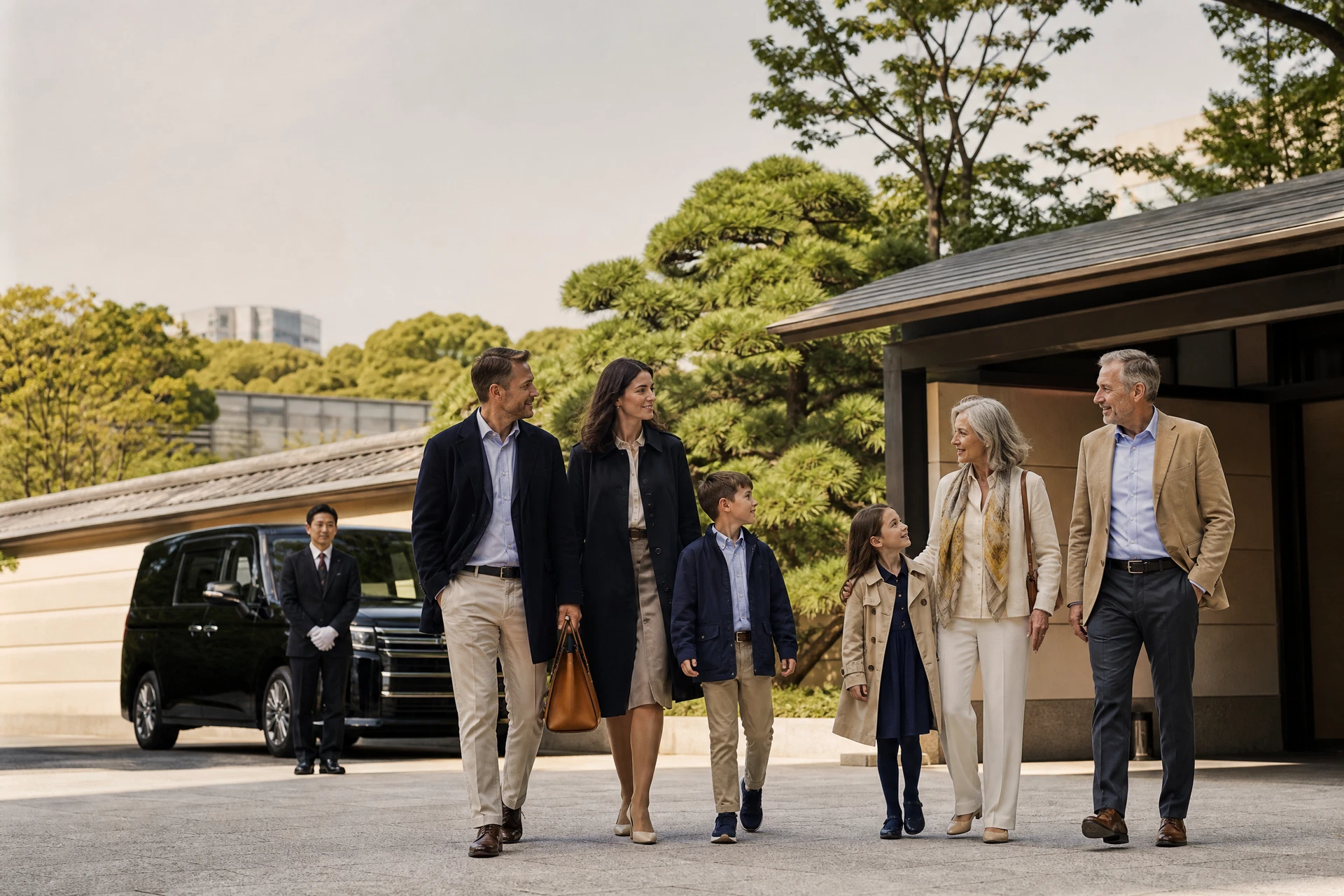
3. Plan by geography, not by attractions
Tokyo days feel lighter when places belong together. Pair one outdoor area with a nearby indoor option, then decide where lunch, a rest, and the evening will happen before you cross the city. A central itinerary might begin with a garden or historic street, move to a museum or food hall, return to the hotel, and finish with a dinner close to the hotel or a short skyline view.
Avoid building a day from isolated “must-see” pins. A long transfer can be perfectly manageable for one adult, but the same movement may become the dominant memory for a child who is hungry, tired, or simply ready to stop travelling.
4. Make getting around part of the plan
Tokyo rail is an excellent way to experience the city, but it should be treated as part of the itinerary rather than an invisible link between attractions. GO TOKYO notes priority seating, spacious station bathrooms with diaper-changing tables, and—in larger shopping complexes—stroller rentals and play areas [1]. Facilities and availability vary, so confirm the current details directly where they matter to your day.
A private car is especially useful when a route includes a few disconnected districts, children are asleep between stops, you have a stroller or shopping, or a timed meal would otherwise require a rushed transfer. Tell us the luggage, seating, and stroller details in advance so the vehicle and route can be considered properly.
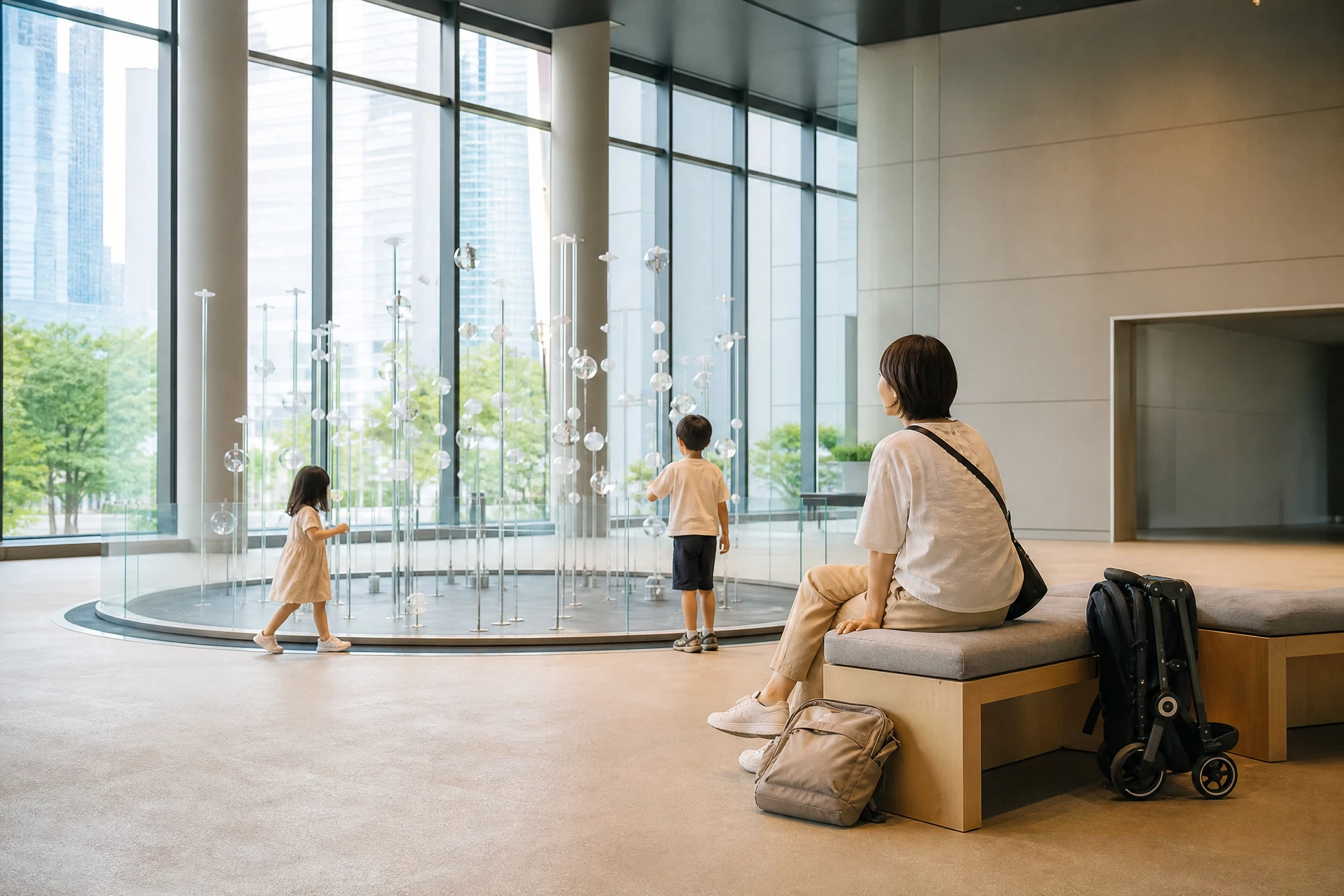
5. Keep food flexible and low-pressure
Food is often one of the pleasures of a Tokyo family trip, but every meal does not need to be a formal destination. Save one meal for the experience you care about most, then allow the rest of the day to use cafés, department-store food halls, family restaurants, hotel dining, or a simple familiar option. GO TOKYO specifically suggests department-store food halls as a low-pressure way for children to discover and taste new foods [1].
For a reservation, share children's ages, dietary requirements, high-chair needs if relevant, preferred dining time, and the kind of atmosphere you want. A restaurant that suits the rhythm of your day is usually a better choice than one selected only for its reputation.
6. Prepare an indoor and rainy-day alternative
The best weather back-up is close to the original plan. If your morning is in Ueno, know a museum or food hall nearby; if your afternoon is in Odaiba or Toyosu, identify an indoor cultural or waterfront option in the same area. Tokyo's museums, aquariums, cinemas, and entertainment complexes can make a rainy interval feel deliberate rather than disappointing [1].
Do not treat indoor time as a failure to “do Tokyo.” It is part of what makes the itinerary durable enough to enjoy, whatever the weather or energy level brings.
7. A comfortable private Tokyo day
8. Make arrival and hotel transitions easier
Arrival day deserves a lighter expectation. Immigration, luggage, transfer, and hotel check-in can use more energy than a map suggests. Plan only a nearby dinner or a short walk after arriving, then begin serious sightseeing the next morning. If you are carrying multiple bags, travelling after a long flight, or coordinating children of different ages, an arranged airport transfer can remove several decisions from the first hours of the trip.
A hotel location that lets you return briefly before dinner can be as valuable as being close to one particular attraction. A short reset is often what keeps an evening enjoyable for everyone.
9. Official references before you go
Use the official GO TOKYO accessibility guide for family planning ideas and current visitor guidance. For broader accessible-travel planning, consult the JNTO Accessible Tourism guide, then verify current access, policies, and facilities directly with each hotel, attraction, restaurant, and transport provider.
Family travel at your pace
Would you like a Tokyo day shaped around your family?
Tell us your children's ages, dates, hotel, interests, dining preferences, luggage, and any practical details that will make the day easier. We can help shape a private Tokyo itinerary with room to adjust.
Plan a private family day