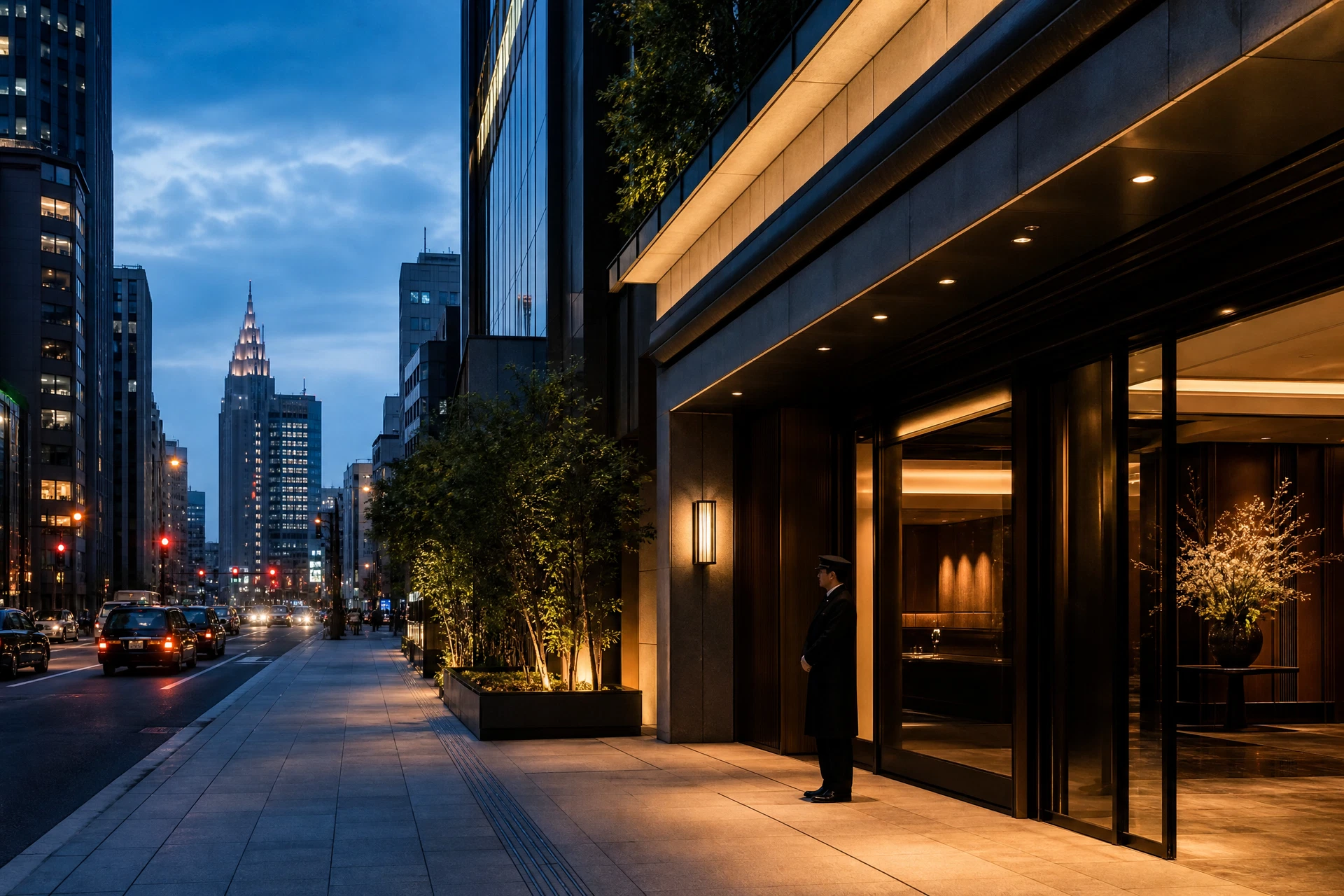
The best area to stay in Tokyo depends on what you want the city to feel like when you leave the hotel: energetic, quiet, food-focused, historic, central, or simply easy after a long flight.
This guide compares useful hotel bases for sightseeing, dining, and airport access. Rather than naming one winner, it helps you choose the area whose daily rhythm matches your trip.
Once a hotel area begins to feel right, pair it with the relaxed five-day Tokyo itinerary and the Tokyo pre-departure travel tips guide to make airport timing, luggage, and daily plans fit the same base.
1. There is no single best area for every trip
In a large, well-connected city, hotel choice is less about being close to every sight and more about reducing the friction that matters to you. A first-time visitor with early starts may value a calm morning base. A traveller planning memorable dinners may prefer an area that makes a late return uncomplicated. A family with luggage may value a direct arrival more than a famous neighbourhood.
Best for
Visitors choosing a Tokyo base for the first time, especially when hotel comfort, airport transfer, dinner plans, and a realistic daily radius all matter.
2. Shinjuku: energy, late evenings, and connections
Shinjuku suits travellers who like an active evening environment, a large choice of restaurants, and the sense that the city is still available after sightseeing ends. It can work well for a five-day first visit because the west side of Tokyo, evening dining, and onward rail connections all feel close at hand.
The trade-off is scale. Stations and streets can feel intense after a long international flight, so choose a hotel location that gives you the particular Shinjuku experience you want rather than assuming every address will feel the same.
3. Shibuya and Omotesando: style, food, and walkable days
Shibuya and nearby Omotesando suit visitors who want design, fashion, cafés, contemporary dining, and easy access to Meiji Jingu or Harajuku. The area works particularly well when you enjoy exploring on foot and want a hotel base that makes a city-energy day feel coherent rather than fragmented.
This is a strong choice for travellers who expect their food and shopping interests to shape the itinerary. It is less about ticking off Tokyo's historic highlights first thing in the morning and more about a vivid, contemporary city rhythm.
4. Tokyo Station, Marunouchi, and Ginza: central and polished
The Tokyo Station, Marunouchi, and Ginza side of the city can be useful for travellers who value a polished central base, a calm hotel environment, well-planned meals, department-store food halls, and straightforward rail access. It also works for visitors combining Tokyo with another Japanese city by train.
This area is often less about nightlife at the door and more about a composed, flexible base. It rewards travellers who like to return to a comfortable central location between a museum, a shopping afternoon, and a special dinner.
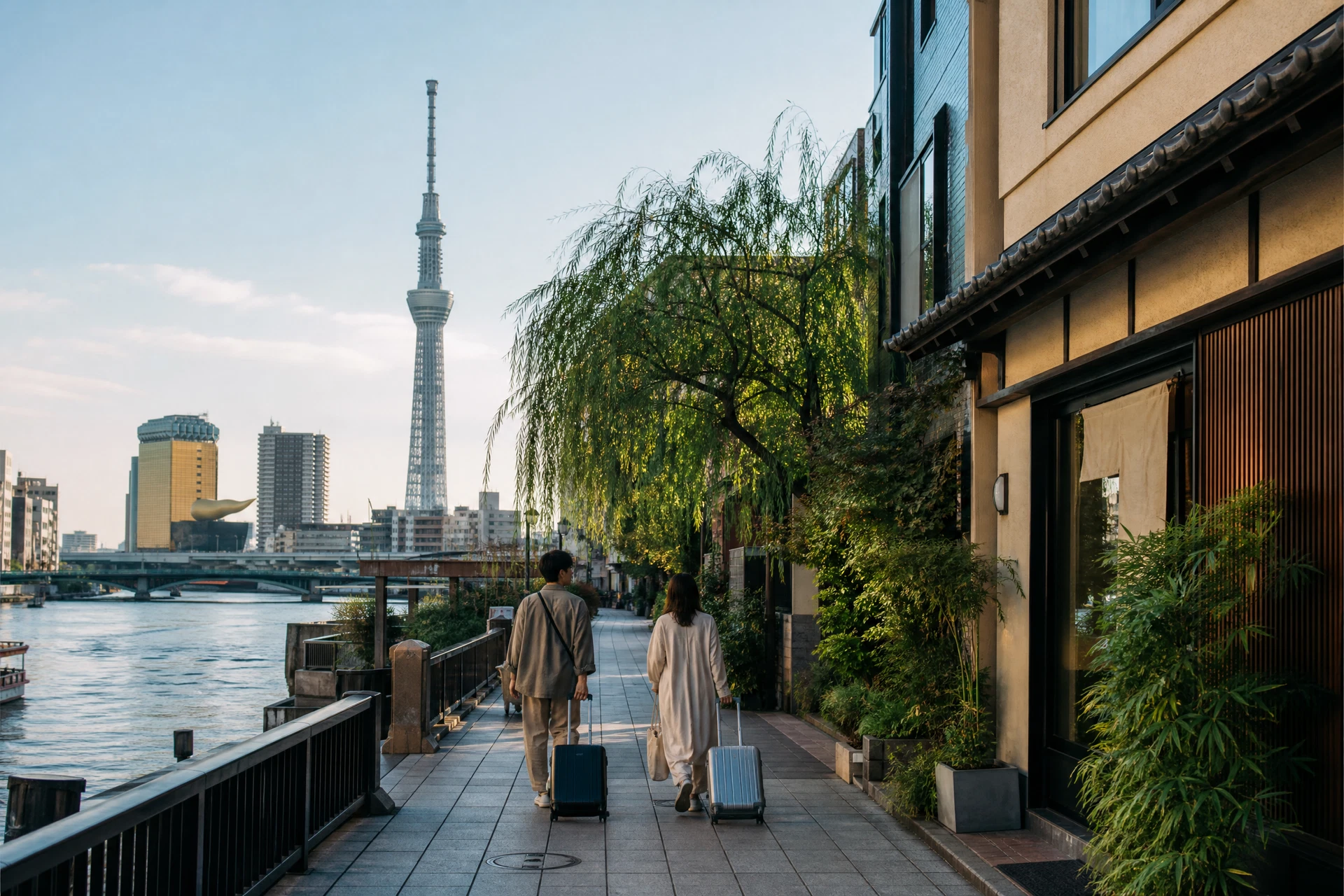
5. Asakusa and Ueno: historic Tokyo and a slower start
Asakusa and Ueno suit travellers drawn to older streets, temples, markets, museums, and a more relaxed morning rhythm. They can be particularly appealing for a first visit when the historic side of Tokyo is a priority and the plan benefits from starting early before the busiest sightseeing hours.
The choice works best when you are comfortable using trains or a planned car service for days focused farther west or south. The reward is a base with a distinct local mood rather than a generic central-city feel.
6. Match the hotel to your arrival and departure
Haneda and Narita connect to central Tokyo by several rail and bus options, but the most comfortable arrival is not identical for every hotel, flight time, luggage load, or travel party. Decide your hotel area and airport route together. A late flight, young children, older travellers, or multiple bags can make a direct private transfer more useful than a nominally faster rail option.
Use our Haneda hotel-transfer guide and Narita hotel-transfer guide to compare the arrival route after you have narrowed the hotel area.
7. Plan hotel and dining together
A hotel base should support the evenings you hope to have. If a sought-after sushi counter, kaiseki meal, or relaxed izakaya dinner is central to the trip, do not leave the return journey as an afterthought. Book with the day's area, your desired ending time, and the group's energy in mind.
8. When hotel-to-hotel transport helps
Private transport can be most valuable at the boundaries of the stay: airport arrival, a hotel change, a day with luggage or shopping, or a late return after a fixed meal. It can also make a split-stay plan feel smooth if you choose different hotel areas for different parts of Tokyo.
9. Official planning references
The JNTO airport-access guide provides an official overview of arrival transport options. Confirm current routes, operating hours, and hotel-specific access details before booking.
Hotel-to-hotel transport
Need a smoother route between hotel and airport?
Tell us your hotel area, arrival airport, luggage, travel party, and flight timing. We can help shape a hotel-to-hotel transport plan that fits the pace of the stay.
Ask about hotel-to-hotel transport